
Author: Ms Sujatha | ICT facilitator
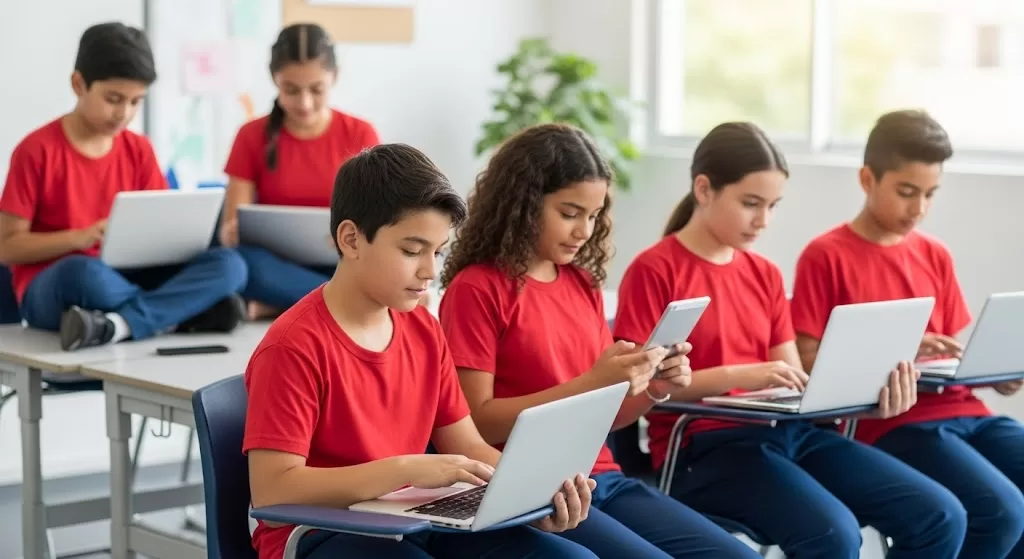
Technology has become an integral part of children’s learning and development in today’s fast-paced world. Interactive educational tools and instant communication have
revolutionized the way children engage with knowledge and the world around them.
Education and learning have become engaging and accessible through online courses, apps, and the multitude of available digital resources, allowing children to connect and communicate with peers and mentors beyond geographical boundaries, helping them develop social and collaborative skills. Technology plays a crucial role in skill development, offering platforms where children can learn real-world applicable skills such as coding, problem-solving, and creativity through interactive experiences.
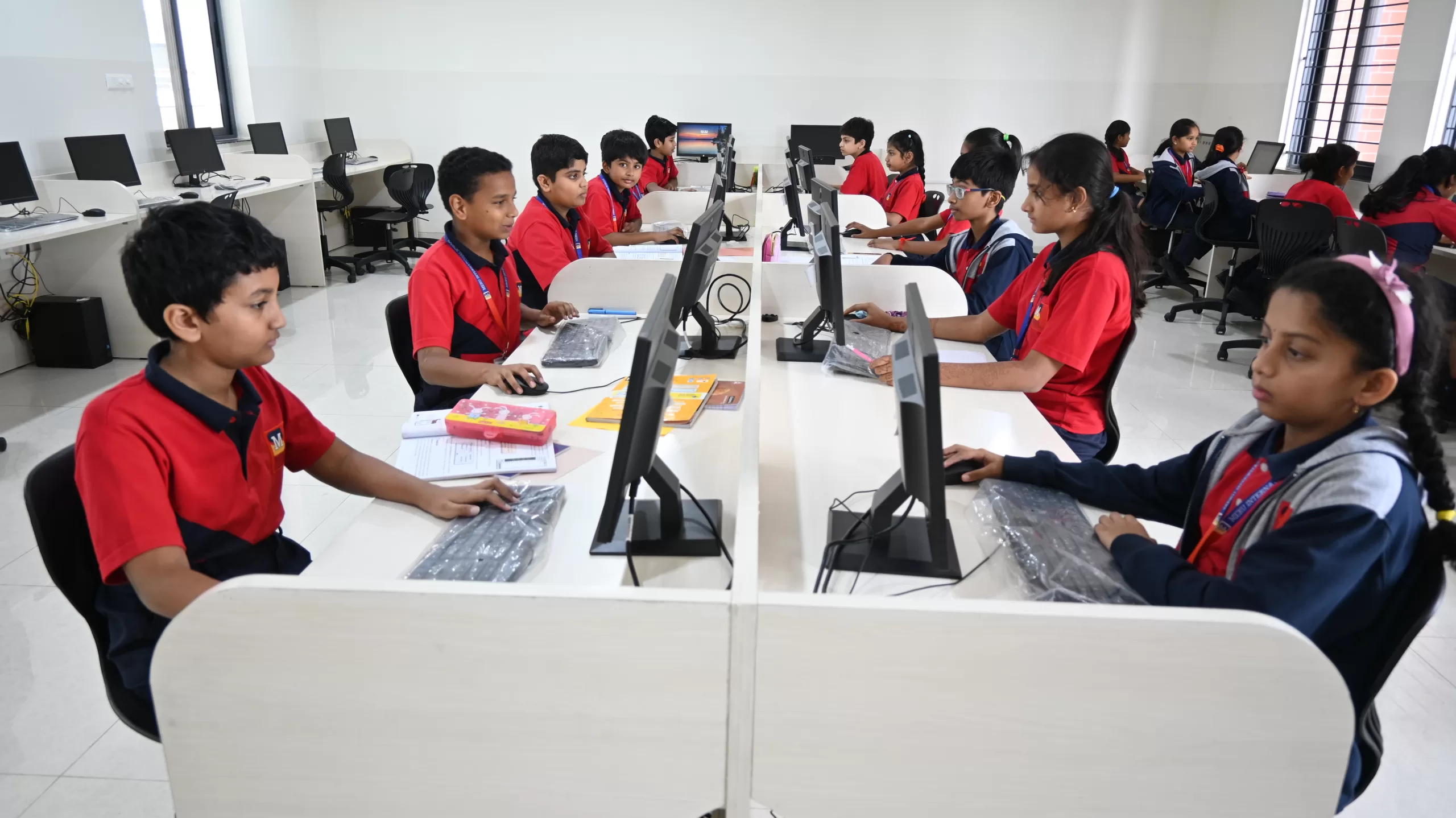
Technology, when used thoughtfully, offers a range of benefits for children across learning, creativity, and communication. Interactive apps, online courses, and educational videos make learning more engaging and enjoyable, while digital tools like drawing apps, coding platforms, and music software nurture creativity and innovation.
Technology also strengthens communication by helping children stay connected with family and friends through video calls and messaging. Beyond entertainment, it promotes critical skills like problem-solving and coding, thanks to a variety of skill-based platforms. With easy access to vast online information, children are empowered to explore knowledge far beyond textbooks. And through educational games, audiobooks, and documentaries, technology also provides meaningful relaxation that supports holistic development.
Integrating ICT Skills with Classroom Strategies at Meru
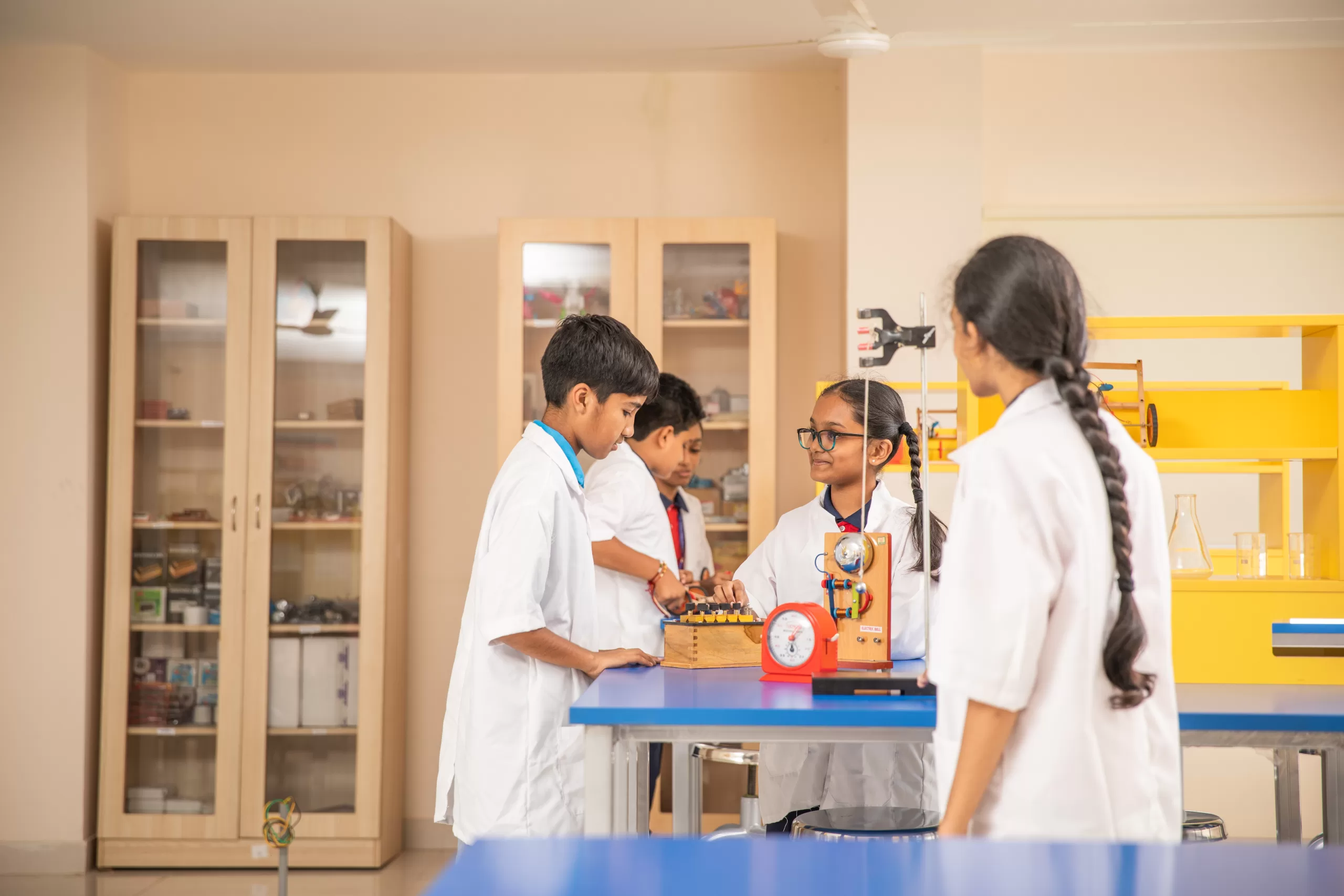
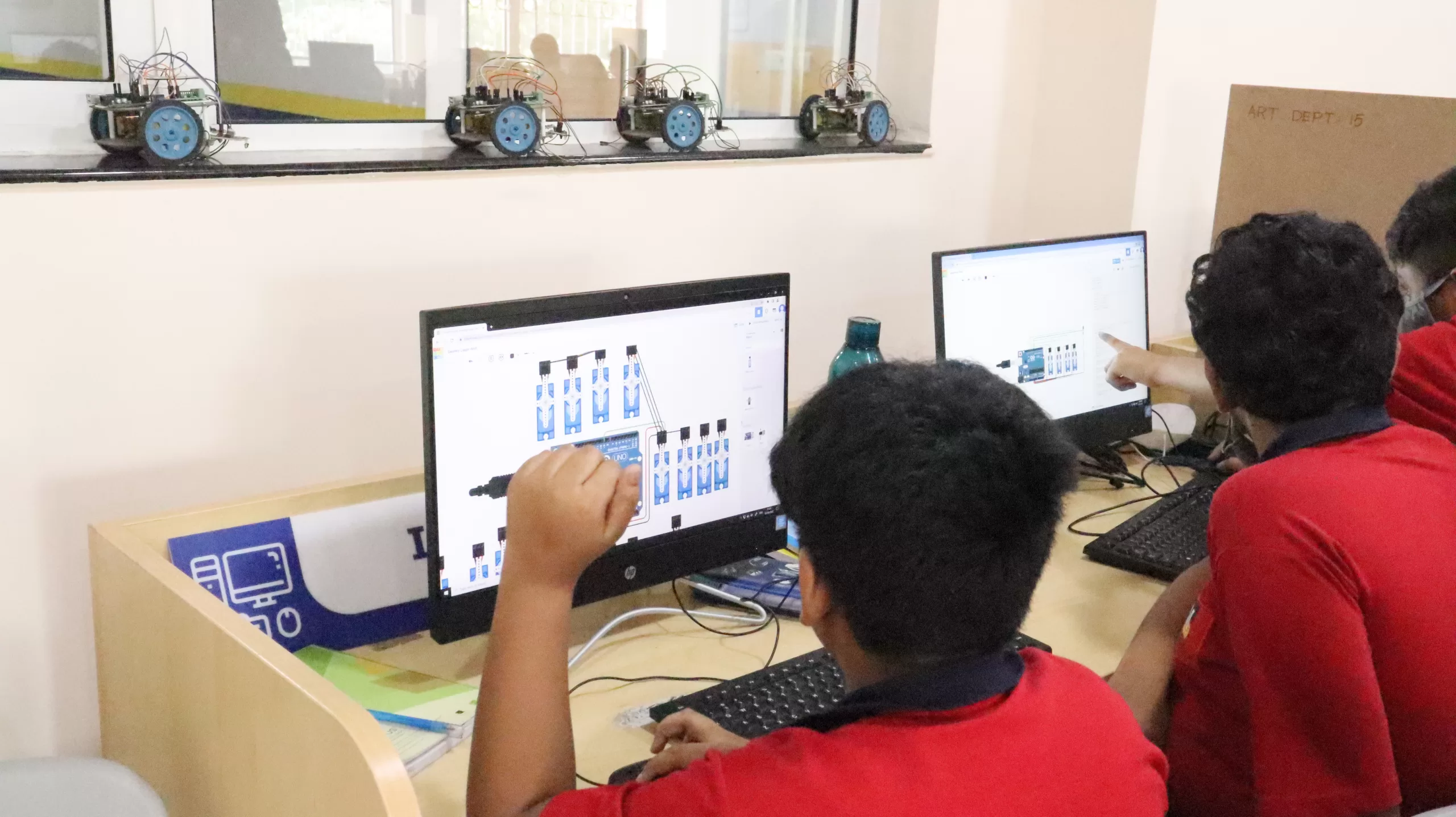
At Meru International School, students develop essential ICT skills that go beyond basic computer use. From computer literacy and internet navigation to word processing, data management, and cybersecurity awareness, students build a strong digital foundation. They also explore coding and digital creativity through tools like Scratch, Kodu, and Construct, nurturing problem-solving and innovation.
These skills are seamlessly woven into practical classroom strategies that keep students engaged and reflective. Project-based learning allows students to tackle real-world challenges while building digital reports and presentations. Gamification tools such as Kahoot, Quizizz, and Scratch make learning fun, while visual platforms like Draw.io and Gamma.ai support creative thinking and structured content creation. Inquiry-based learning and cross-curricular integration encourage students to connect ideas across subjects, making learning deeper and more relevant.
To ensure learning is meaningful, teachers at Meru use formative assessments, visual thinking routines (like Think-Pair-Share and “I Used to Think, Now I Think”), and self-assessments to guide student reflection and progress. This integrated approach empowers students to become confident, creative, and future-ready learners in a tech-driven world.

Final thoughts
Technology is a powerful tool shaping how children learn, connect, and build essential skills in today’s digital world. It fosters creativity, enhances education, and opens new avenues for growth. But responsible use is crucial—balancing screen time, ensuring safety, and encouraging meaningful engagement help children benefit without harm. By guiding them toward a healthy relationship with digital tools, we empower them to become curious, capable, and innovative learners.