
Author: Mr. Neelakanteswara Reddy MB, Dy. Manager IT & Operations
Introduction:
There was a time when technology was seen as a luxury as an add-on, rather than a necessity. But over the past few decades, it has transformed how we live, work, communicate, and learn. From the way we shop to how we navigate, connect, and solve problems, technology is now embedded in nearly every step of our daily lives. In the realm of education, this evolution is even more profound.
In today’s education landscape, Information Technology (IT) is not just a support system—it’s a cornerstone of effective teaching and learning. As the deputy manager of IT and Operations at Meru International School, I’ve had the privilege of witnessing how a robust IT framework significantly empowers our teachers. From lesson planning to assessments, IT simplifies tasks, enhances engagement, and saves valuable time. This change has evolved the way modern-day schools operate. As schools across the nation are evolving and adopting a more tech-centric approach, it is important to know how different school environments, IT-powered and non-IT-powered, are, and how these differences translate into real benefits for teachers.

1. From Chalkboards to Smart Boards: How Classrooms Are Evolving
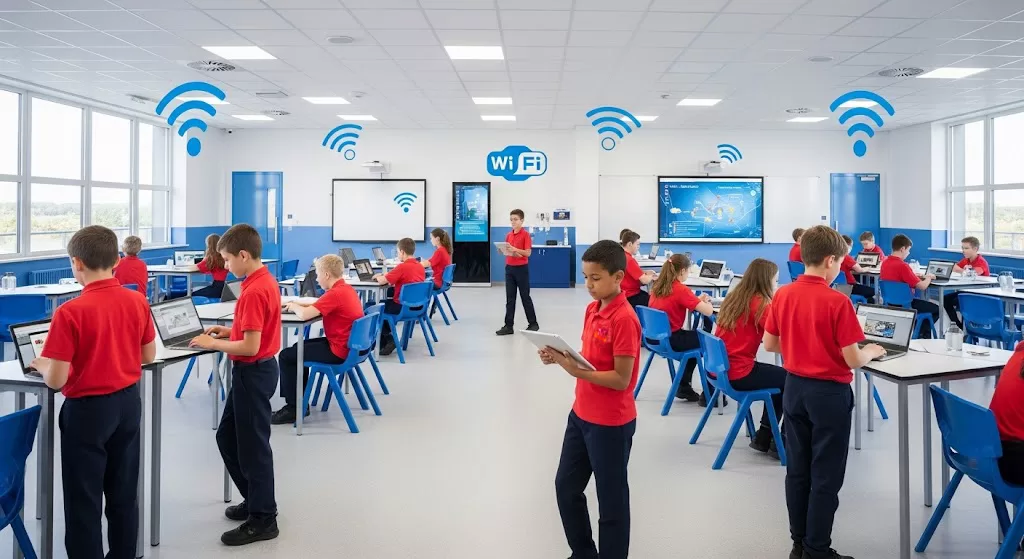
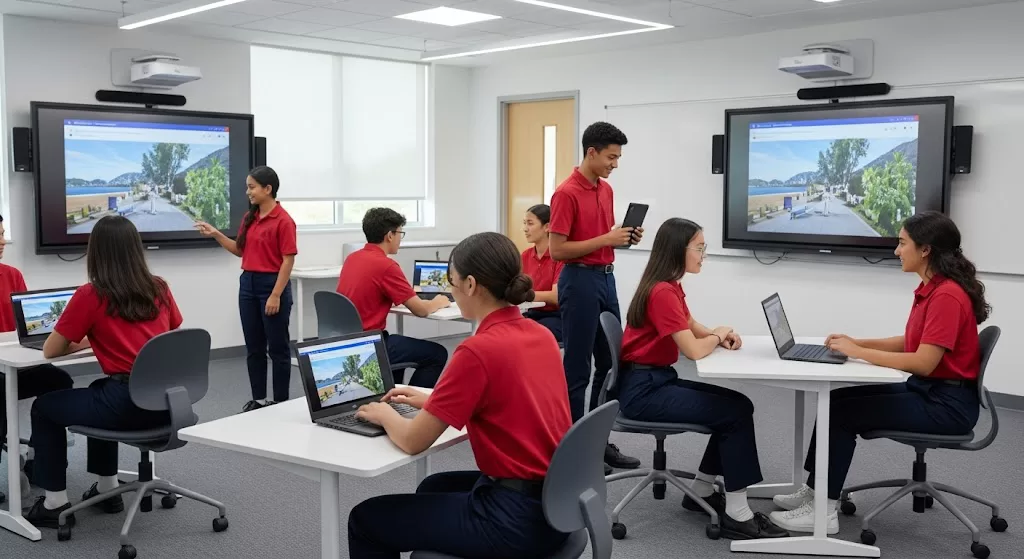
When we imagine a tech-enabled classroom, digital boards are often the first thing that comes to mind. And for good reason. At Meru, our classrooms are equipped with smart boards and screen-sharing tools that transform traditional lessons into dynamic learning experiences. With access to multimedia resources; like videos, simulations, and interactive games teachers can make complex or abstract topics come alive.
In contrast, non-IT classrooms often rely solely on whiteboards or chalk-and-talk methods, where teaching is largely lecture-driven and visual engagement is minimal. While effective in their time, these traditional methods often limit the interactivity that students need today.
For teachers, the shift to digital means more than just convenience; it means flexibility. They can tailor their instruction to suit different learning styles, keep students engaged, and break the monotony of one-way teaching. Which results in smarter classrooms, empowered educators, and students who are truly connected to their learning.
2. Smarter Lesson Planning, Seamless Access
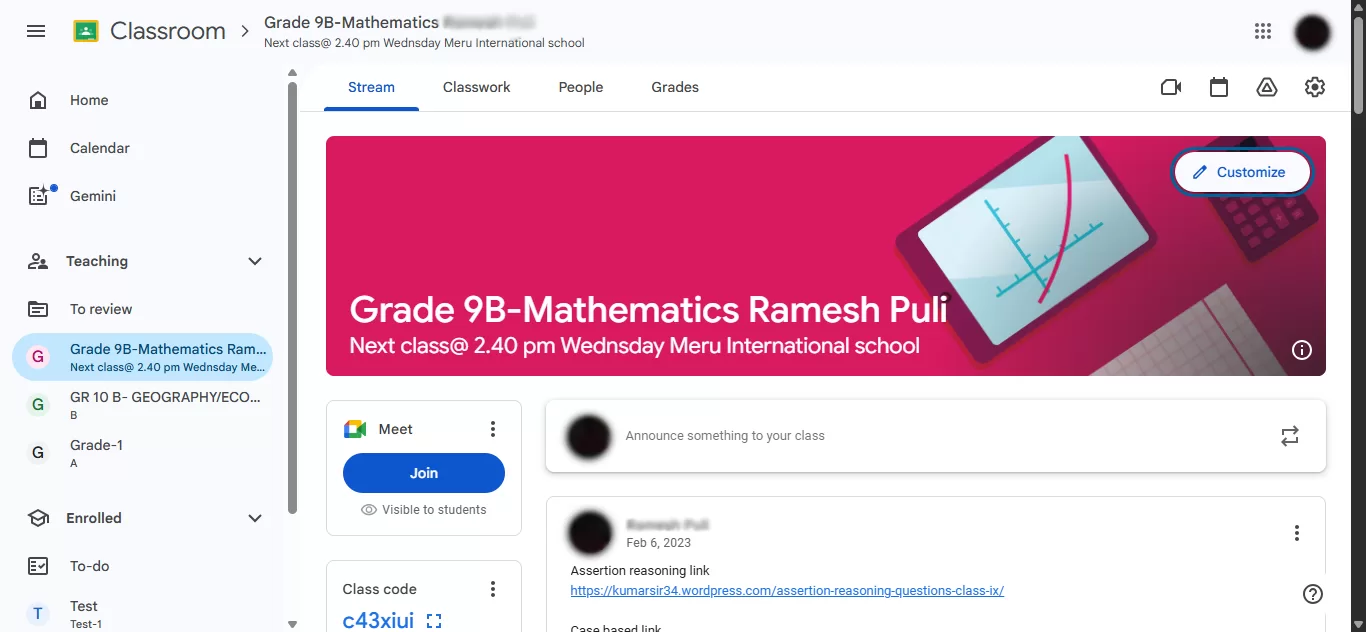
In a tech-enabled environment like Meru, lesson planning is no longer a time-consuming, isolated task. With cloud-based platforms such as Google Workspace, teachers can create, organise, and access their lesson plans anytime, anywhere. They also tap into global repositories of curated content, AI-supported planning tools, and collaborative features that make sharing resources with colleagues effortless.
On the other hand, in non-IT schools, lesson planning often remains a manual process, relying on handwritten notes or files saved locally with limited access to updated or diverse teaching materials. This can restrict both efficiency and creativity.
For educators, the benefit is clear: less time spent on paperwork and more time to focus on what truly matters: student learning, classroom engagement, and instructional innovation.
3. Smarter Assessments, Faster Feedback
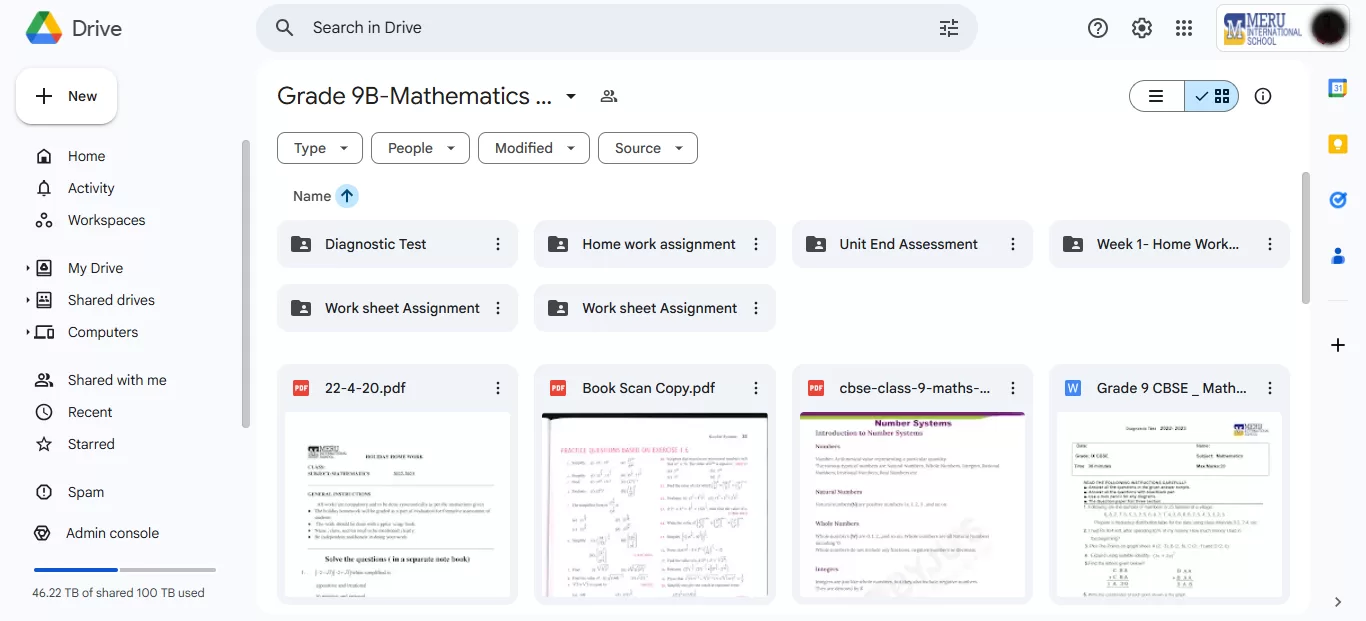
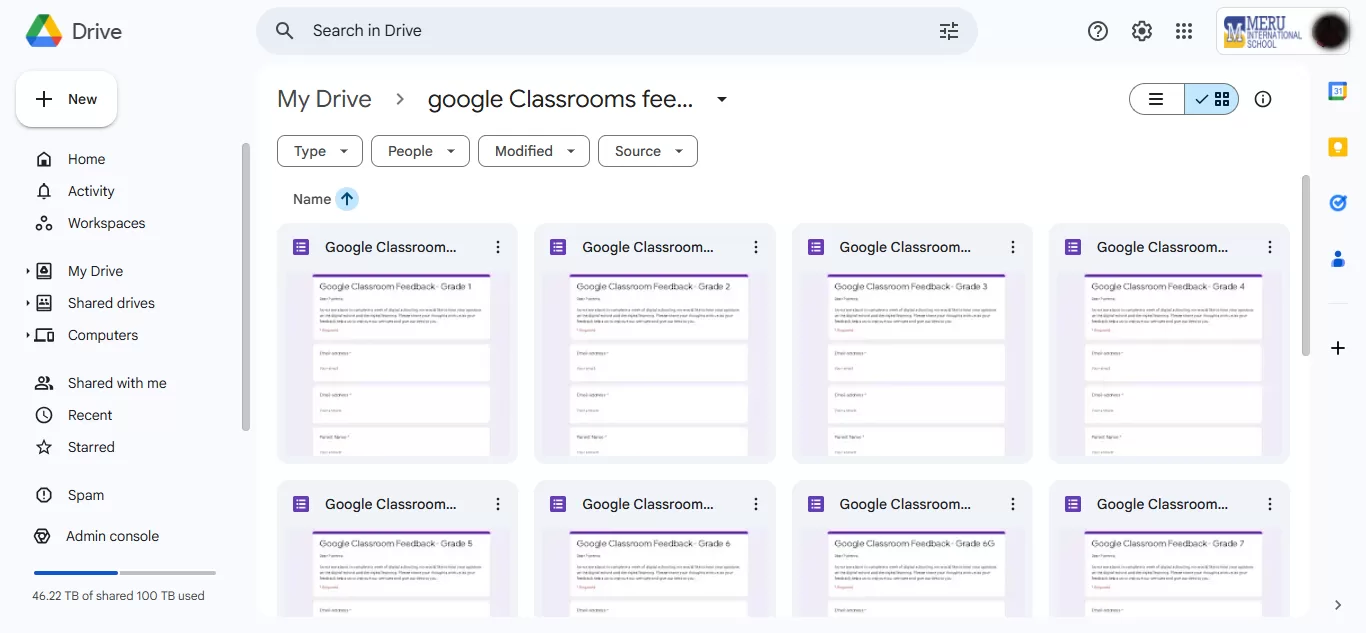
At Meru, technology has transformed how assessments are conducted and feedback is delivered. Teachers use digital tools like Google Forms, ERP-integrated tests, and auto-grading systems to evaluate student performance efficiently. These platforms offer instant insights, enabling personalised feedback and ongoing progress tracking—all with just a few clicks.
In contrast, non-IT schools often rely on manual grading, physical records, and handwritten reports. This not only consumes valuable time but also increases the likelihood of errors and delays in sharing feedback with students and parents.
For teachers, digital assessment tools mean less time spent on paperwork and more time focused on what matters most: understanding student learning patterns, identifying gaps, and tailoring instruction accordingly.
4. Continuous Growth Through Collaboration and Learning
In a digitally connected school like Meru, professional development isn’t limited to occasional workshops—it’s an ongoing journey. Teachers have access to a wealth of online learning opportunities, from webinars and certification courses to virtual conferences led by global experts. Digital collaboration tools like shared drives, WhatsApp groups, and internal portals make it easy to exchange ideas, co-plan lessons, and stay connected—whether on campus or working remotely.
In comparison, non-IT schools often depend solely on in-person training sessions and traditional meetings, limiting flexibility and exposure to new perspectives. Collaboration is slower, and professional learning can take a back seat to logistical constraints.
For educators, Meru’s tech-enabled approach means staying current, supported, and inspired—fueling both individual growth and collective innovation in teaching.
5. Ready for Anything: Ensuring Continuity in Uncertain Times
The COVID-19 pandemic was a true test of adaptability for schools across the globe. At Meru, the transition to online learning was swift and seamless—thanks to our robust IT systems. Platforms like Zoom, Google Meet, and integrated learning portals allowed teaching and learning to continue uninterrupted, preserving momentum and morale.
In contrast, schools without a strong IT foundation faced significant disruptions. The absence of digital infrastructure led to delays in curriculum delivery, widened learning gaps, and made it challenging for educators to maintain consistent engagement.
For teachers, having access to digital tools means being prepared for any scenario—whether teaching in-person, online, or through a hybrid model. It provides flexibility, peace of mind, and the confidence to keep education moving forward, no matter what.
Conclusion: Empowering Educators, Elevating Learning
The difference between IT-enabled and traditional schools goes far beyond infrastructure—it’s a difference in opportunity, agility, and impact. At Meru International School, technology empowers our teachers to do more than deliver lessons—they innovate, collaborate, and inspire. With the right digital tools and support systems, our educators are not only keeping pace with change—they’re leading it. And in doing so, they’re shaping a generation of learners who are curious, connected, and ready for the future.