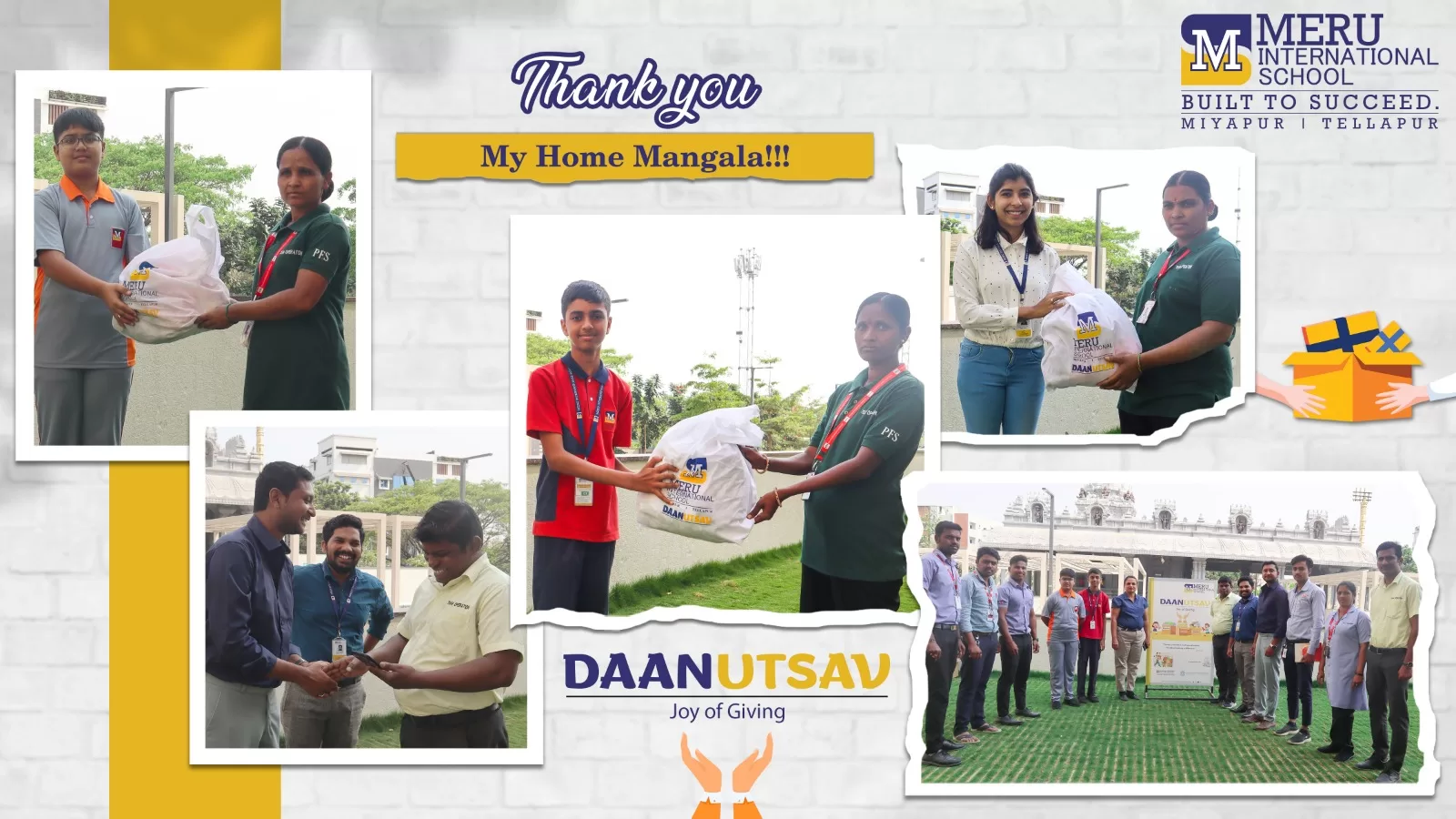
Meru Daan Utsav Meru Community Outreach Fostering Social Responsibility is a remarkable initiative spearheaded by Meru International School, aiming to cultivate a spirit of community and compassion through acts of kindness. This program encourages students to actively participate in charitable activities, fostering a culture of giving and empathy within the school and the wider community.
The Essence of Meru Daan Utsav
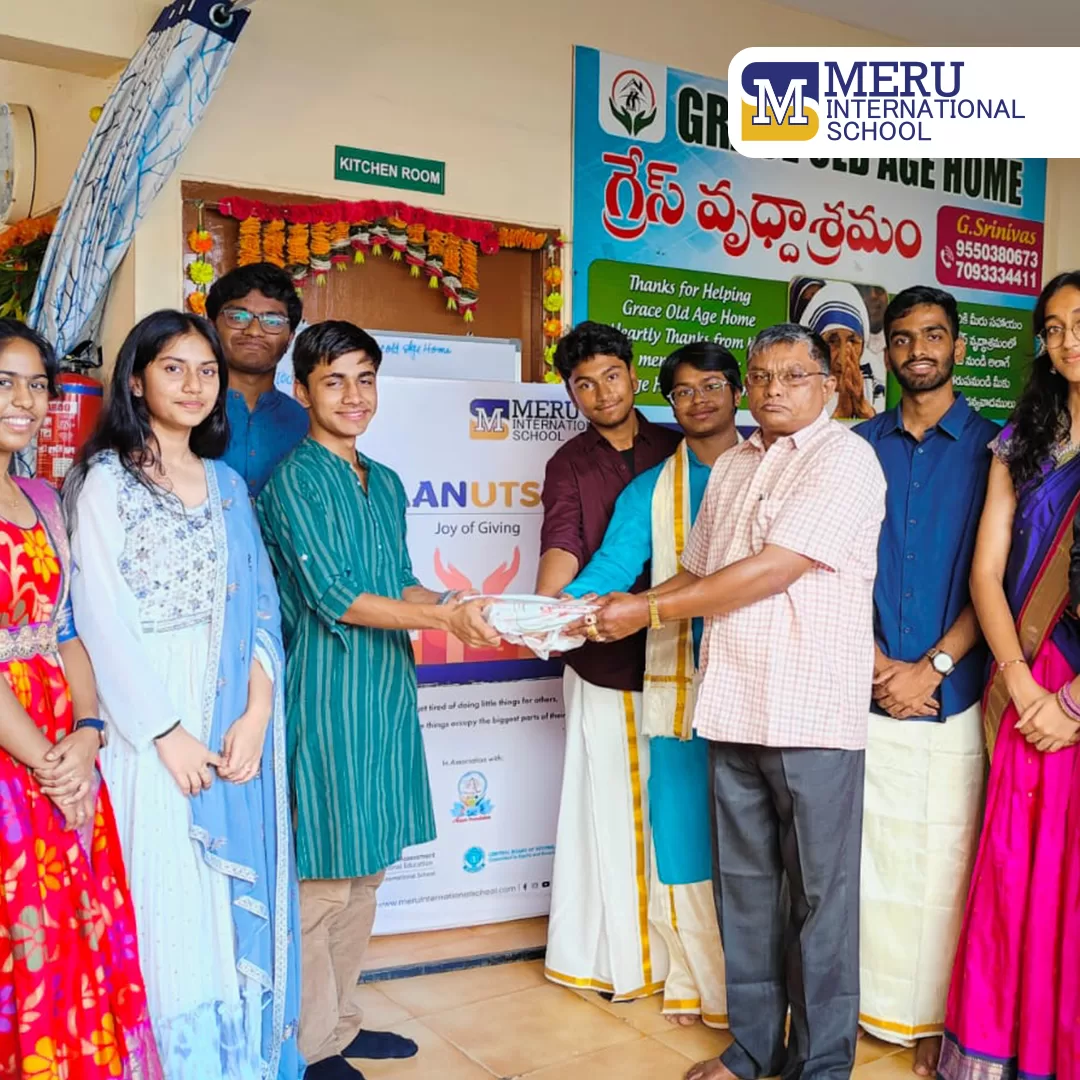
At the heart of Meru Daan Utsav is the desire to create meaningful connections and spread joy among individuals from diverse backgrounds. The initiative includes various activities, such as visiting old age homes and donating essential items, which not only support those in need but also inspire students to appreciate the value of generosity.
Community Engagement
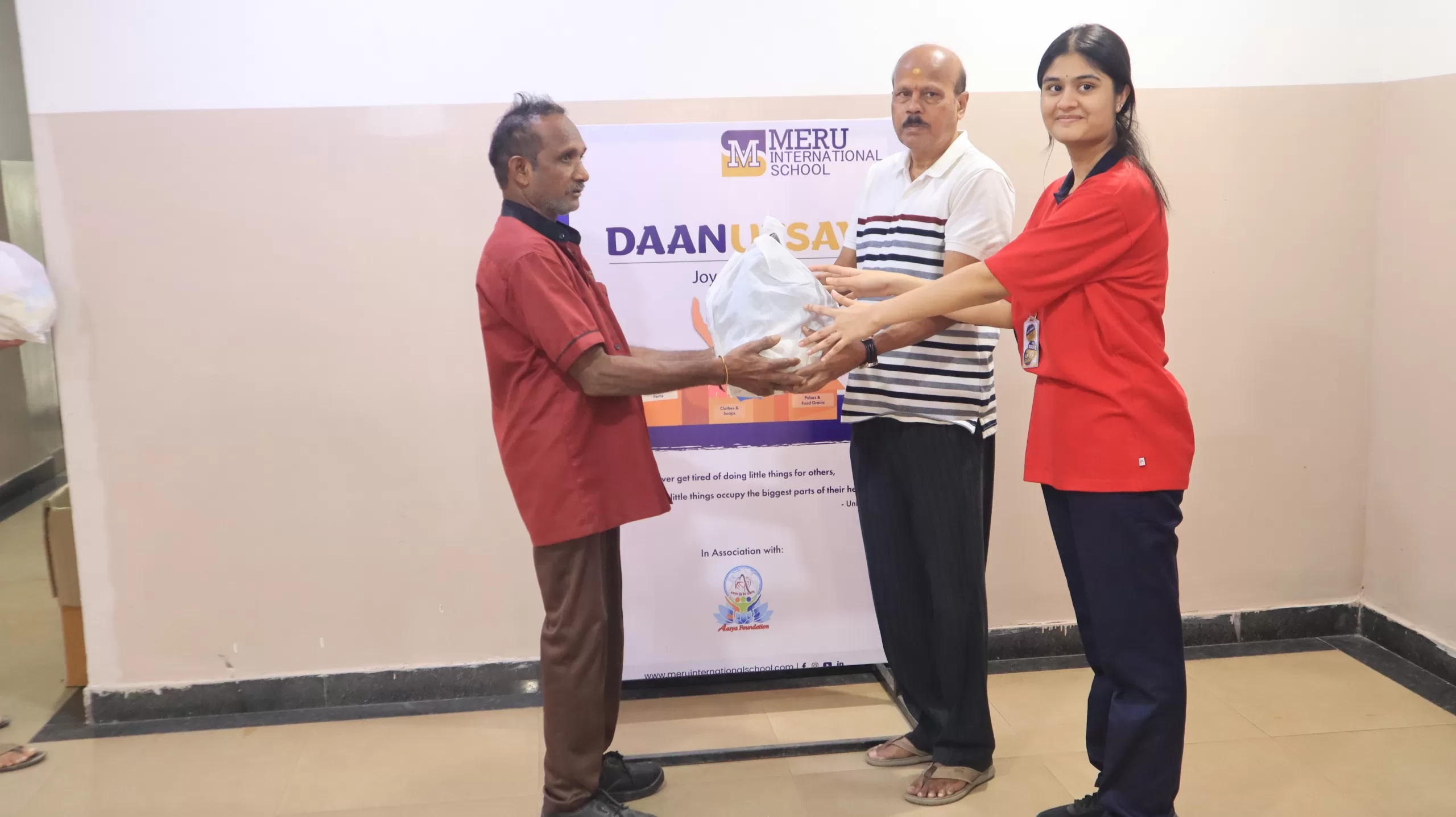
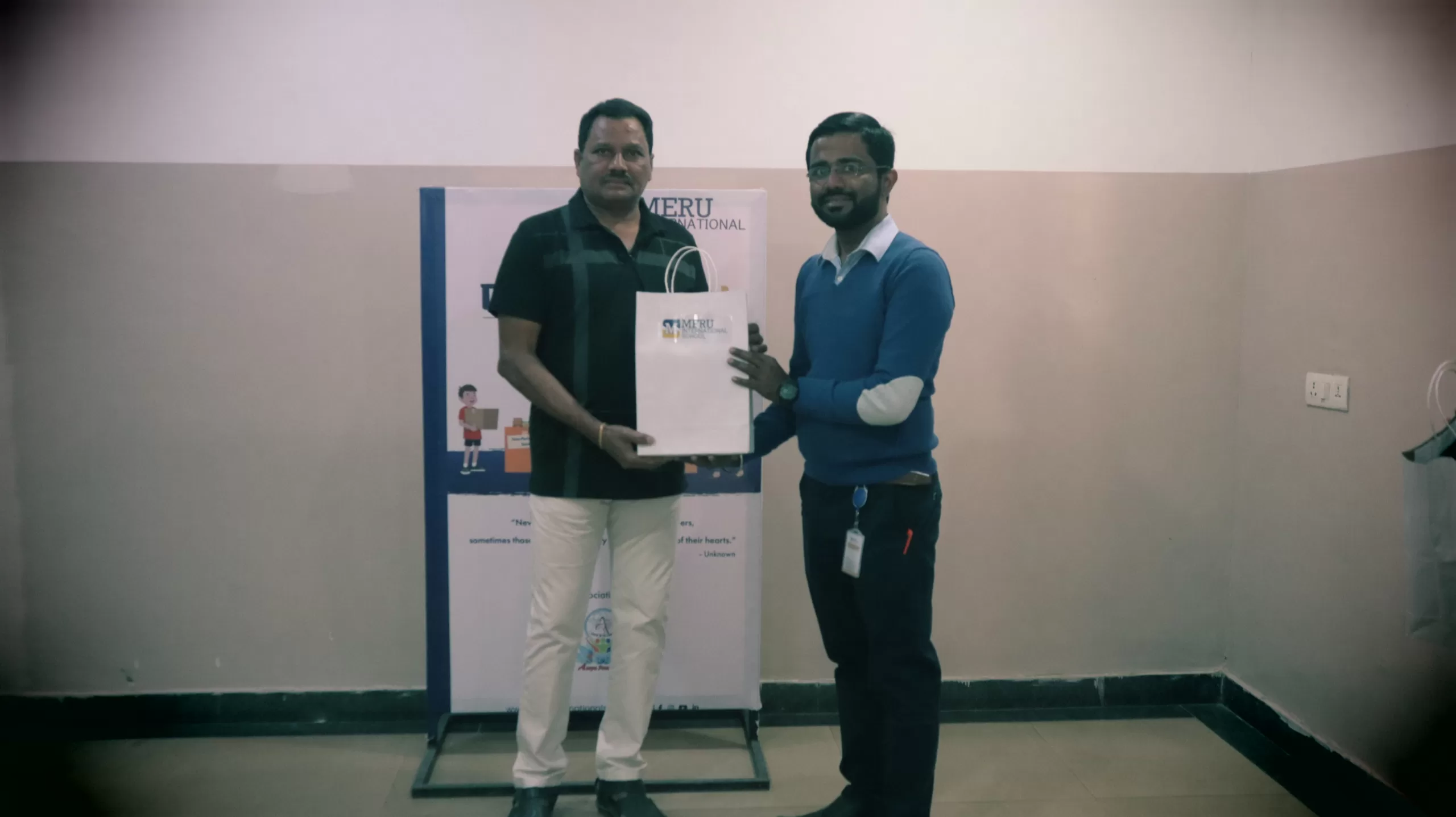
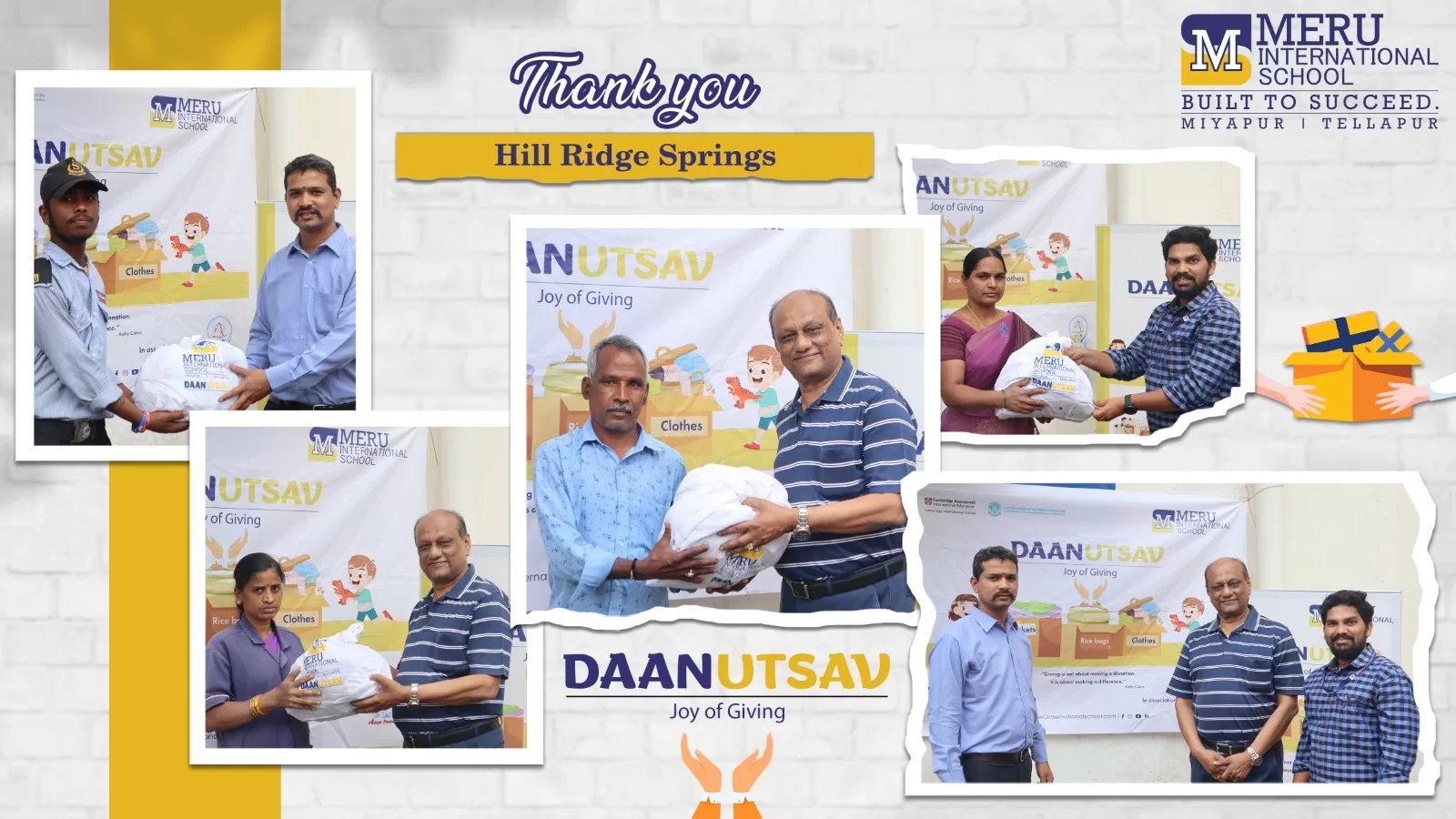
The impact of Meru Daan Utsav extends beyond the school walls, involving over 50 communities across Tellapur, Nallagandla, and Miyapur. Residents from these areas contribute by collecting materials through drop boxes set up at the school or directly from their apartments. The collected items are then assessed for quality and distributed to those in need, ensuring that help reaches the right hands and brings smiles to many faces.
Inspiring Future Generations
By participating in such initiatives, students learn invaluable lessons about empathy, responsibility, and the importance of giving back. The Meru Daan Utsav not only enhances their understanding of social issues but also empowers them to become active contributors to society. This initiative serves as a powerful reminder that even small acts of kindness can lead to significant positive changes in the community.
In conclusion, Meru Daan Utsav exemplifies how educational institutions can play a crucial role in nurturing a culture of compassion and generosity. Through their dedicated efforts, students are not only making a difference in the lives of others but are also growing into conscientious citizens who value kindness and community spirit. For more information regarding the same or any other such initiatives, you are welcome to visit our official website.
Learning isn’t just about solving problems—it’s about thinking deeply, asking questions, and finding your voice.
Imagine a learning journey where every question opens a new door, where new ideas sharpen your mind and where your unique insights are celebrated. This isn’t an idealistic vision, it is the core of what it means to truly learn and grow.
One of the best examples of this, came from our classrooms, in a simple yet powerful routine we call Math Talks. These are short, engaging discussions where a single math question becomes the springboard for diverse strategies, perspectives, and ideas.
A Glimpse Into a Meru Math Classroom
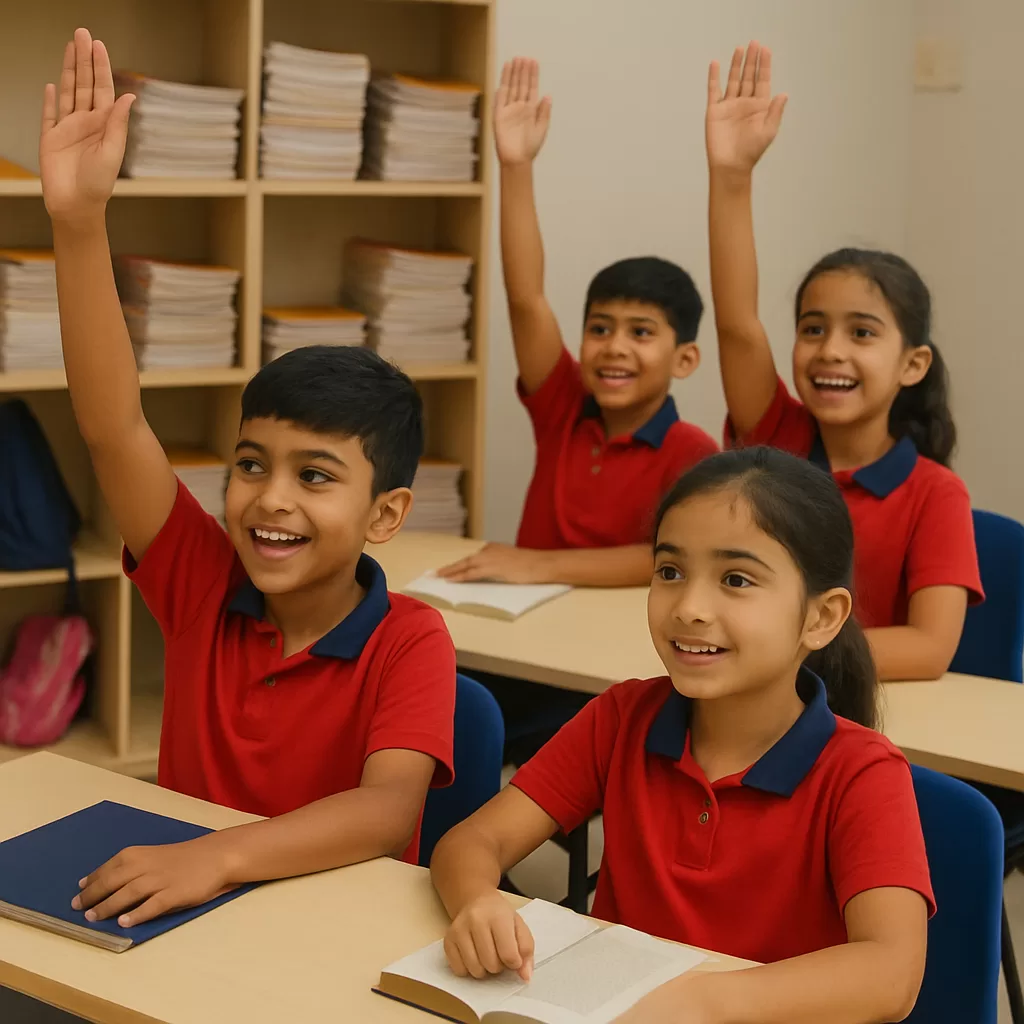
Step into a Grade 4 math class at Meru International School, and you won’t see silent rows of children copying from the board. Instead, you’ll witness something more dynamic—a quiet hum of dialogue, students turning to one another with thoughtful expressions, and a teacher moving through the room, gently guiding the discussion. Hands shoot up, not just with answers but with ideas and questions. This is a Math Talk in action: one question, many voices, and every voice is heard.
What Is a Math Talk?
At its core, a Math Talk is a focused conversation around a single math question. But it’s not just about finding the correct answer. Students are encouraged to share how they arrived at their solutions, try different methods, and build on each other’s reasoning.
For example, a question like “What is 3/4 of 12?” might prompt several responses:
“I divided 12 by 4, then multiplied by 3.”
“I added 3 three times.”
“I drew 12 blocks and grouped them.
There’s no single ‘correct’ approach. Every answer becomes part of a larger conversation, helping students see that math is not just rules and formulas—it’s about making sense of numbers.
Why It Matters?
When students speak their thoughts aloud, something special happens. They begin to feel valued and confident. They realise that their approach has merit, even if it’s different. They discover that mistakes are opportunities to learn, not something to hide. As one student beautifully shared, “I didn’t know I could explain math like this. Now I want to try more!” That transformation—from passive receiver to active thinker—is exactly what Math Talks aim to achieve. Its about nurturing an environment where every voice contributes to collective understanding, the process of exploration and discovery are celebrated. When students articulate their reasoning, they not only solidify their own understanding but also offer new perspectives that can illuminate concepts for their peers. This dynamic exchange builds a classroom culture where curiosity thrives and the fear of being wrong is replaced by the excitement of discovery. It’s in these moments that real deep learning takes root, this prepares students not just for the next test but for the complex thinking required in life.
Building Confidence With Mindspark
Of course, not every child is ready to jump into a conversation right away. That’s where Mindspark, our adaptive AI-based learning platform, plays a key role.
At Meru, we use Mindspark to personalise learning. It allows students to practise math at their own pace, receive instant feedback, and gradually strengthen their understanding. Over time, this quiet practice helps students build the confidence they need to participate more actively in classroom discussions.
Sometimes the voice grows loudly, sometimes quietly—but always in a way that feels right for each learner.
A Shift in the Way We Teach
Thanks to Math Talks and Mindspark, our classrooms are undergoing a profound transformation. They’re evolving from traditional spaces of passive reception into dynamic hubs of active learning, where:
Ideas are welcomed and explored: Every student’s unique thought process is not just heard, but valued. This creates an environment where diverse approaches to a problem are celebrated, fostering a richer collective understanding rather than a single “right” way.
Mistakes are embraced as learning opportunities: The fear of being wrong is replaced by the excitement of discovery. Students learn that errors are not failures, but crucial stepping stones that illuminate misconceptions and deepen comprehension.
Students learn with and from one another: Collaboration becomes organic. Through discussions, students articulate their reasoning, listen to their peers’ strategies, and build on each other’s insights, developing both their mathematical understanding and their communication skills.
Teachers become facilitators of real, student-led conversations: The role shifts from lecturing to guiding. Teachers prompt, listen, and nudge, empowering students to take ownership of their learning journey and construct their own knowledge.
Ultimately, not just math but every subject is no longer something to merely memorize and repeat. Instead, it becomes a vibrant topic to explore, discuss, and genuinely enjoy, cultivating not just proficiency, but critical thinking and a lifelong curiosity.
Final Thought: Let Curiosity Speak
“There’s no single right way to think mathematically.”
We live this philosophy every day at Meru. Through Math Talks, we’ve seen shy learners raise their hands, confident students deepen their reasoning, and classrooms come alive with curiosity.
We’re not just teaching equations and formulas—we’re shaping thinkers, communicators, and problem-solvers who can face challenges with creativity and confidence. So the next time you hear a passionate discussion about fractions in a Meru classroom, know this: that buzz of excitement? It’s the sound of minds growing—and that’s learning at its best.
In a recent Teacher Elevated Talk—a platform for educators to share experiences and insights—this story was the one I chose to tell. It was not a big innovation. Not a fancy new method. Just a quiet, real moment from the classroom that reminded us what teaching is really about.
At Meru, we’ve seen time and again that stories are powerful tools for learning—especially in subjects like science, where facts and diagrams can sometimes feel a little distant. A well-told story pulls students in. It helps them connect. It helps them remember.
Because while children may forget what’s on the board, they rarely forget a story.
How a Simple Story Transformed a Noisy Science Lesson into a Moment of Discovery
🎤 The Challenge: Energy, Noise… and Bones?
Teaching class of eight-year-olds is nothing short of an adventure. I teach Grade 3 science, and anyone who has stepped into a classroom of 8-year-olds knows the challenge—short attention spans and an energy level that could power a city. On the day I was teaching about the functions of bones, the classroom was particularly noisy and distracted.
We know that classrooms aren’t always quiet, and learning doesn’t always go to plan. And yet, it’s often in those unpredictable, seemingly chaotic moments that something beautiful takes shape—a spark of curiosity, a connection, an insight. I could tell early on that a traditional explanation wouldn’t quite land. That’s when they paused, looked around the room—and reached for something unexpected: a story from my childhood.
📖 A Story with a Twist
It was a tale my father used to tell—a simple story about a washerman, a dog, and a donkey. Familiar characters in Indian folklore, woven into a gentle, clever narrative.
As the story began, something shifted. The room grew quiet. Heads turned. Eyes widened. The students listened—really listened. And when the story ended, I asked them a few questions:
“Why do you think I told you this story?”
“What happens if one bone tries to do the job of another?”
“Why do our bones come in different shapes and sizes?”
The responses? Thoughtful. Original. Right on point. The best part? Days later, the students still remembered the concept—because it had come to life for them through a story.
🌟 A Final Thought
At Meru, we believe learning should feel alive. And if we, as educators and parents, can link knowledge with wonder, emotion, or curiosity—we’re not just teaching facts. We’re lighting the spark that makes them last.
As educators we work religiously towards the advancement and development of the next generations and as we work on them we come to discover that we ourselves start to grow and adapt with our young ones, using creative methods to make learning enjoyable and enduring.
The Teacher Elevated Talk wasn’t just an event—it was a moment to reflect, to listen, and to be reminded that every classroom holds the potential for magic. Sometimes, all it takes is one story told at the right moment.
Every day at Meru International School, classrooms become spaces of discovery, empathy, and growth. Because real learning doesn’t just happen on the page—it happens in the heart.
Generation Alpha, born into a world saturated with digital communication, speaks a language that is fluid, visual, and constantly evolving. Their communication styles, often influenced by short-form videos, memes, and instant messaging, can feel rapid and informal to those from older generations. It’s easy for educators to view these emerging linguistic patterns as something to “correct” or, worse, to dismiss.
This year’s Gyanotsav at Meru International School was truly a highlight in my teaching journey. As part of the Teacher Elevated Talk, I had the chance to speak on something we all encounter but rarely pause to decode—how Generation Alpha communicates, and how we, as educators, can guide them toward mastering both the language of the screen and the language of success.
The Talk: “The Emoji Enigma”
My session, titled “The Emoji Enigma,” opened with a light-hearted moment about the time I received a student email that read: “thx 4 the gr8 lesson, it was 🔥.” For a moment I was confused, “Wait… did I accidentally set the classroom on fire?” That moment of confusion set the tone for a talk filled with laughter, real-life examples, and lots of nods from the audience who had clearly been in the same boat.
A Crowd That Brought the Energy
What made the experience even more memorable was the audience itself. The room was alive with laughter, connection, and a genuine eagerness to engage. It wasn’t a one-way delivery—it was a shared, humor-filled space where teachers reflected on their own “emoji enigma” moments and the ever-changing slang they face in classrooms. Their honest input and spontaneous responses played a huge role in energizing the talk.- The competition considered both audience engagement (via live poll results) and judges’ scoring, and the perfect blend of both helped me secure First Place in the Teacher Elevated Talk.
The Message: We Are the Bridge
“When we understand their lingo, we earn their listening. That’s where the learning begins.”
The heart of the talk was this: Generation Alpha is wired differently—but brilliantly. Their communication is quick, visual, and expressive. While emojis and abbreviations are fun and efficient, there’s still a critical need for official, precise communication, especially as they grow into future professionals.
At Meru, we understand that our role as educators isn’t to correct, but to guide; not to reject this evolving language, but to expand it. We recognize that these communication habits are deeply ingrained in their world, and our goal is to equip them with the versatility needed to thrive in all contexts.
In my pursuit for the growth of the future generations; I model formal language in my classroom by using clear, precise vocabulary and varied sentence structures, giving students a strong example to follow. I also create a non-judgemental space where they feel safe to express themselves, make mistakes, and learn through feedback. Most importantly, I help them understand the why—how tone, context, and audience shape communication—so they can adapt their voice confidently in any situation, whether it’s a casual chat or a formal presentation.
This approach ensures that while Generation Alpha maintains their unique communicative fluency, they also develop the comprehensive linguistic toolkit essential for success in an increasingly interconnected and diverse world.
In today’s classrooms,especially at institutions like Meru International School,the challenge isn’t just delivering content,it’s connecting meaningfully with a generation shaped by digital immediacy,global influences,and evolving definitions of success. Teaching Gen Z and Gen Alpha demands more than conventional instruction;it calls for adaptive,responsive approaches that foster confidence,responsibility,reflection, innovation and engagement,the very essence of the Cambridge learner attributes we strive to nurture.
Reflecting on Today’s Learners
Born into the age of algorithms and instant information,our students are confident digital navigators,yet often struggle to focus and synthesize knowledge deeply.The Annual Status of Education Report (ASER) 2023 points to gaps in literacy and comprehension despite prolonged school exposure.This is not a matter of capability but of how learning is accessed,internalized,and applied.
At Meru,especially through our camebridge curriculum,we believe true learning stems from everyday interactions that meet learners where they are.In line with Cambridge’s reflective approach,I often ask my students not just what they’ve learned but how they arrived at their conclusion.This reflection helps them build resilience and insight into their own learning journey.
Innovative Approaches That Resonate
Recognizing the need for autonomy and ownership, we have embraced the Flipped Classroom model,a strategy where students explore concepts independently at home and engage in discussion and problem-solving during school hours. This structure mirrors Dr. Sugata Mitra’s vision of self-organized learning and directly fosters innovation and engagement.
At Meru,such strategies are not isolated efforts but part of a broader framework seen across programs like the Secondary Program ,where learners are encouraged to inquire,collaborate,and lead.
Technology as a Thoughtful Tool
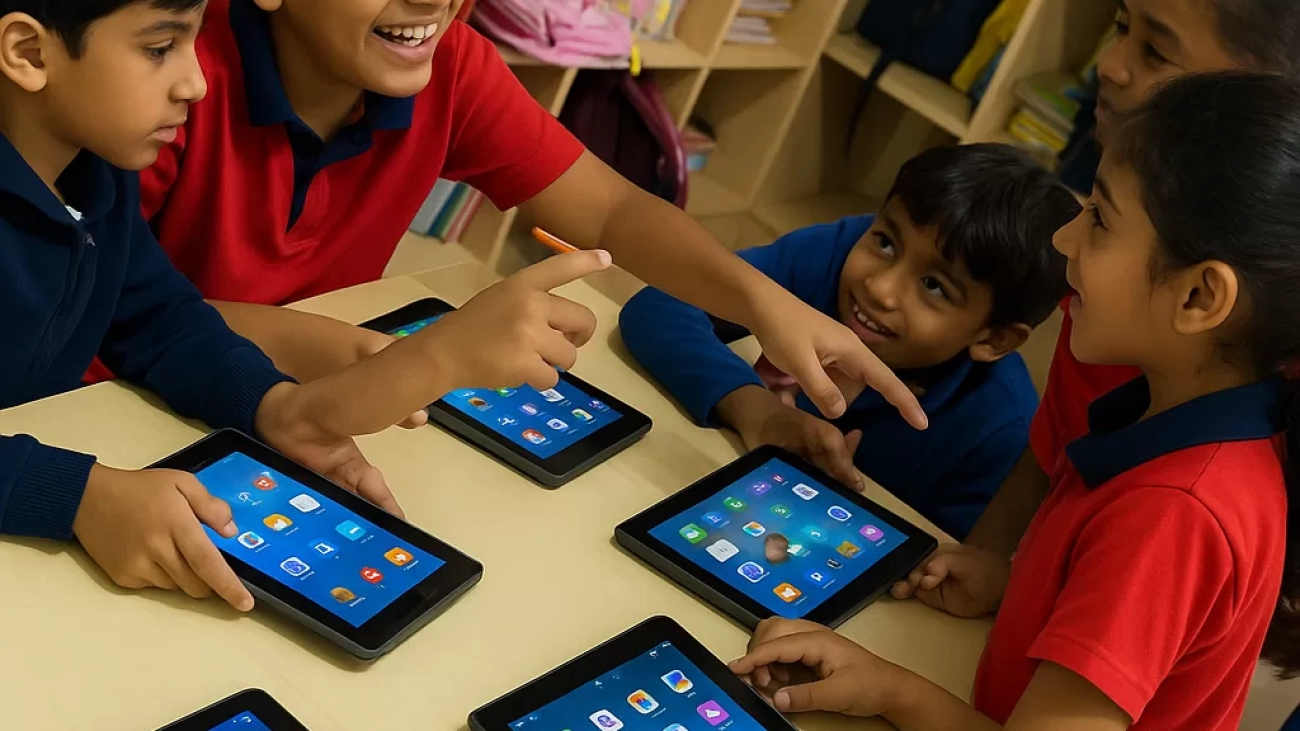
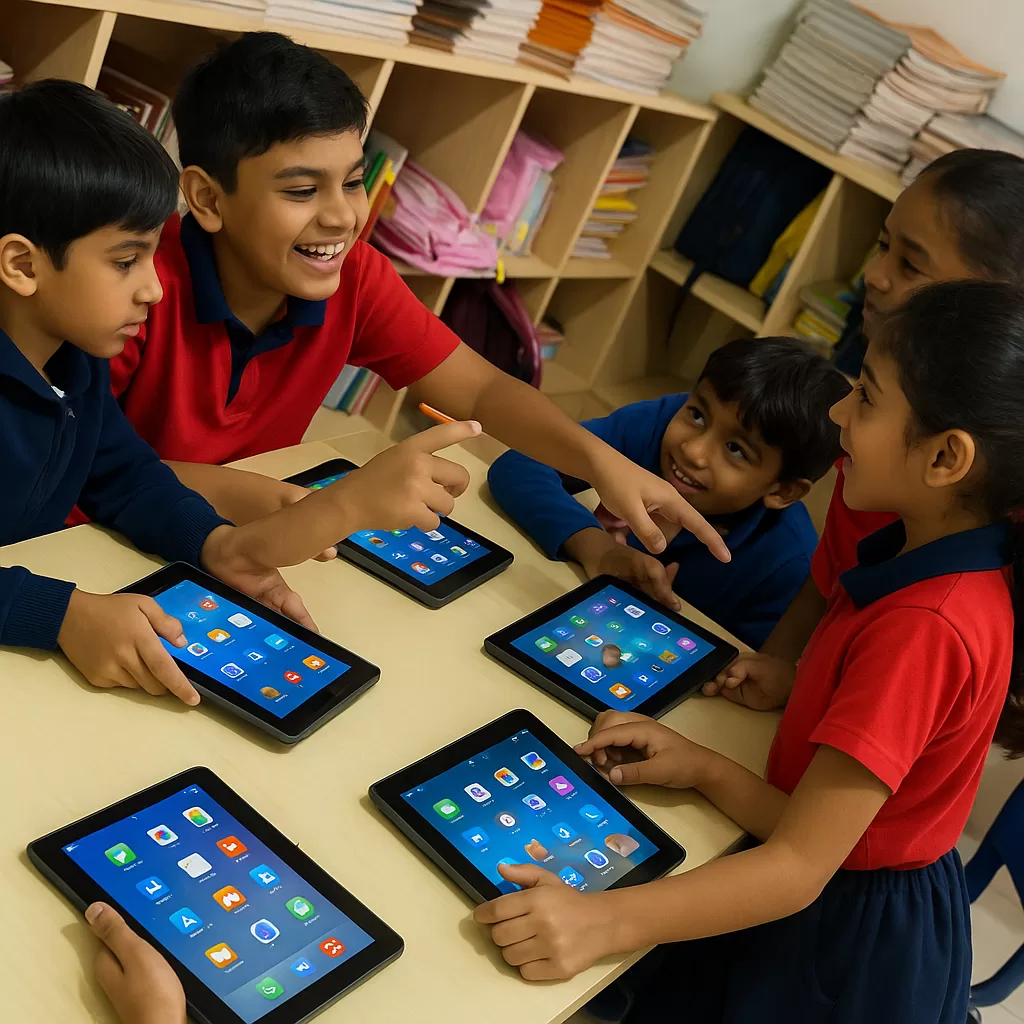
While our learners may be tech-savvy,equitable access to digital tools remains a reality we carefully balance.Platforms like Kahoot, Quizizz, and Padlet,when used intentionally,support microlearning and encourage engaged participation.Still,we at Meru complement tech-enabled learning with hands-on activities,ensuring every child,regardless of background,has a pathway to success
This is particularly evident in our Middle Year Program,where technology is balanced with physical exploration and creativity.
Confidence Through Growth and Feedback
Another pillar of our classroom practices is timely, personalised feedback.Drawing from Carol Dweck’s growth mindset philosophy, students are encouraged to view setbacks not as roadblocks but as invitations to try again.Statements like “Let’s reflect on what went wrong and how we can improve” shift the focus from grades to growth,a hallmark of confident and reflective learners.
Supporting Emotional Resilience
Behind every academic struggle is often a personal battle.At Meru,we prioritise well-being alongside performance.Integrating Mindfulness Practices,Yoga,breathing techniques, and journaling in the classroom has helped students stay grounded and emotionally regulated.These practices, aligned with WHO recommendations,support students’ ability to cope with pressure-an essential element of responsible learning.
Programs such as Meru’s Sports Program also play a crucial role in maintaining this balance.
Navigating a World of Misinformation
In our rapidly evolving digital age,teaching media literacy is more critical than ever. At Meru,we introduce learners to discuss and trace the source of information, we make them aware of misinformation and disinformation, organise discussions and incorporate AI tools and fact-checking strategies,training them to be discerning consumers and creators of content.In doing so,they not only engage more meaningfully with the world but also develop the confidence to question and the innovation to seek truth.
A Message for the Learning Community
To parents,we urge: Celebrate your child’s efforts and curiosity,not just outcomes.Your support is vital in building learners who are self-assured and driven by meaning, not just marks.
To fellow educators,we say: Let’s keep learning too.Our openness to empathy, experimentation,and evolution defines our ability to inspire.At Meru, the blend of Cambridge and CBSE curriculum allows for this dynamic approach,making space for learners to reflect,innovate,and engage fully.
Conclusion: Learning, the Meru Way
At Meru International School,our classrooms are not just places for academic instruction,they are spaces where values,attributes,and identities are shaped.From embracing modern pedagogies like the flipped classroom to integrating mindfulness,our approach aligns with the Cambridge learner attributes,ensuring our students grow into confident, responsible, reflective, innovative, and engaged individuals.
By fostering thoughtful interaction,emotional intelligence,and digital fluency, Meru prepares students not just to excel,but to thrive in a complex,fast-changing world.