Navigating the Teenage Turning Point
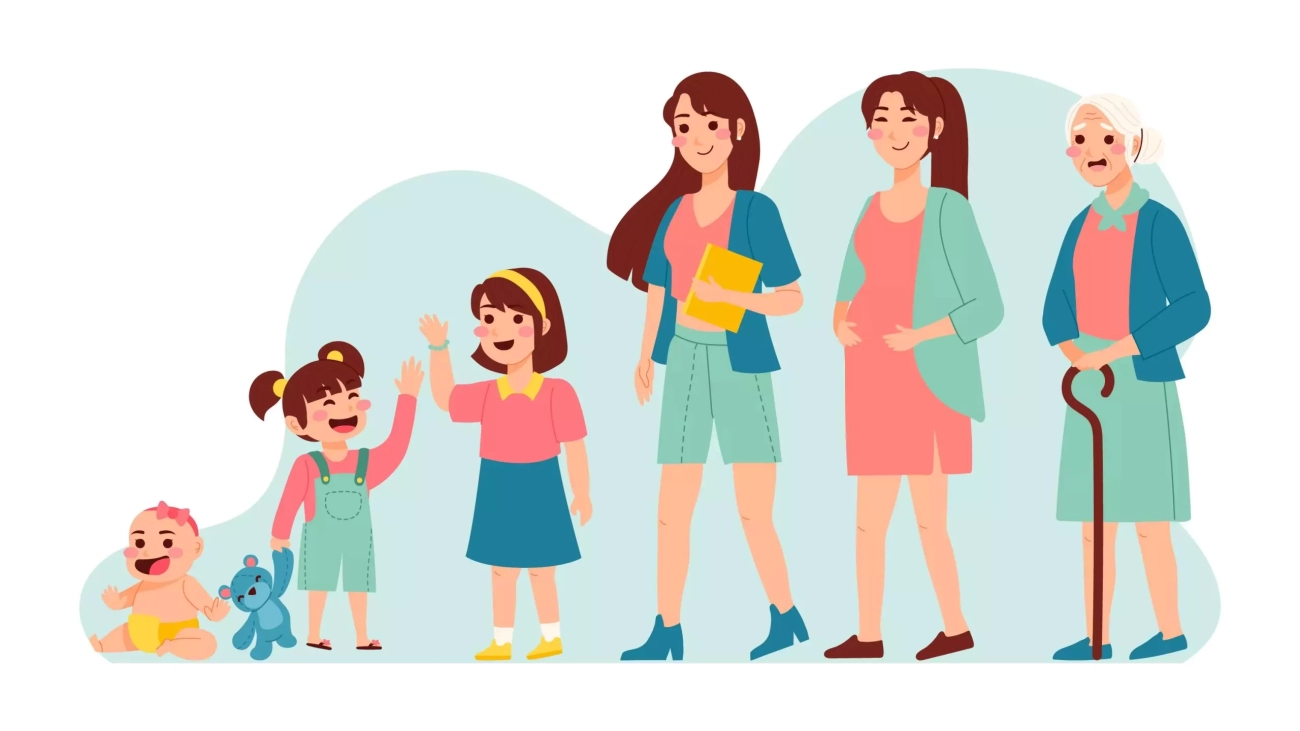
Today’s trending topic is about Adolescence being a period between childhood and adulthood which underlies multiple challenges, deviations, and rapid transitions that we don’t even tend to notice but take the pressure of overcoming it day by day.
Let us look at few points that could be taken into consideration before we notice the transitional changes in our children.
Identity Formation
Teens are always exploring who they are, often question values, rules, and expectations. Many experience the need to be heard at this moment. Erik Erikson believes that this is the age of identity vs role confusion where children tend to meet the expectations of social group in order to create their own identity at the same time they are confused about the decisions made by them are correct or not, talking about rile confusion. “Who am I? Why Am I doing this? To please whom? and Why ? will be the common questions rolling in their mind as they experiences changes at the transitional phase.
Autonomy vs Guidance
They crave independence but still need structure and support. Most of the students at this phase tend to perform by their potential however, they feel they need to be supported with words of positivity, encouragement and motivation from their parents and peers. In raw words – the reality is “Let me make mistakes and learn from it.” Don’t judge me at the same time, don’t leave me alone.

Peer Influence
Peer approval matters more than ever; this can impact choices around academics, behavior, and lifestyle. Most of the friendships made at this phase of life remain temporary and they cannot even realize until they are stuck with accepting the changes in their social groups. They tend to form groups, norm them, exchange the information without any boundary and later at the time of storming when they understand that each individual is different in their choices of life, it becomes hard to accept the fact that – there is no need to please others for every decision made by them which slowly teachers them to respect each other’s opinions.
Emotional Fluctuations
Hormonal and cognitive changes can lead to mood swings, sensitivity, or self-doubt. It’s not just emotions but it’s emotional growth and development they are experiencing. The emotional center (amygdala) develops faster than the logic center (prefrontal cortex). Teens feel strongly before they can rationalize calmly.
Teens are exploring “Who am I?” while dealing with social comparisons, insecurities, and expectations.
Academic Pressure
Class 10 board exams are their first major academic milestone. Stress and performance anxiety are common. The career choices, friendships, and fitting in add to emotional overload.
Career Confusion
They may feel overwhelmed by expectations to choose a career path soon. Here comes the ability to accept the fact that time is limited and they need to decide where they would want to see themselves in the next five years.
How can we help them as Parents?

Support, Don’t Pressure
They may feel overwhelmed by expectations to choose a career path soon. Here comes the ability to accept the fact that time is limited and they need to decide where they would want to see themselves in the next five years.
Encourage Open Communication
Regular, judgment-free conversations help them share concerns and build trust. Celebrate their successes often, encourage them while they also know their potential to extend their abilities.
Monitor Without Micromanaging
Stay informed about academic and social life but respect their boundaries. Listen to them when they need you.
Help Them Explore
Let them try hobbies, attend career fairs, or take aptitude tests.
Model Coping Mechanisms
Show how you handle stress, failure, or decision-making. They learn more from observation than lectures.
Prioritize Mental Health
Normalize counseling, rest, and emotional discussions. Be alert to red flags.
At Meru International School, we recognize that adolescence is not just a phase—it’s a journey of discovery. We prioritize student well-being and career guidance to support this transition meaningfully.
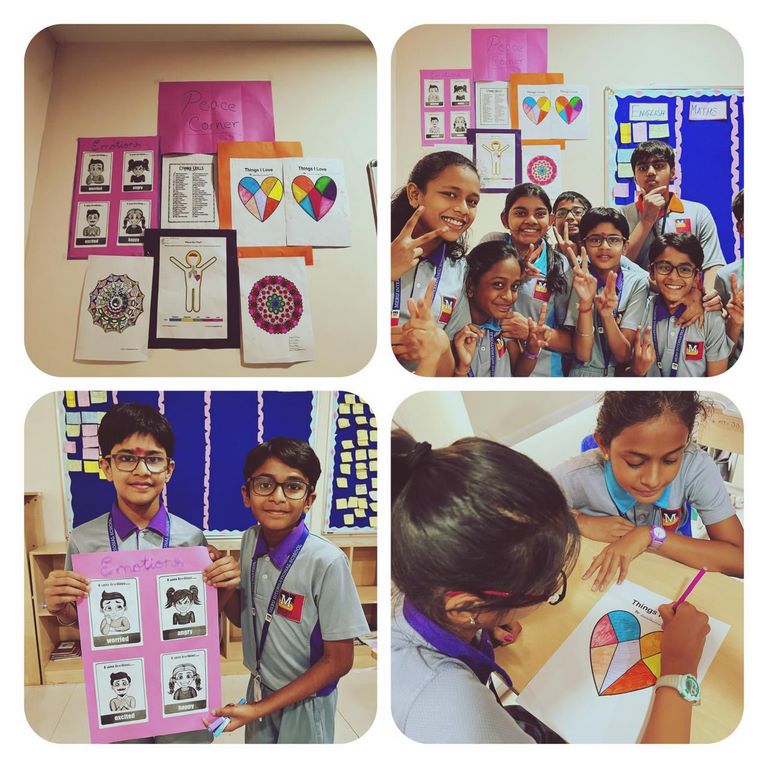
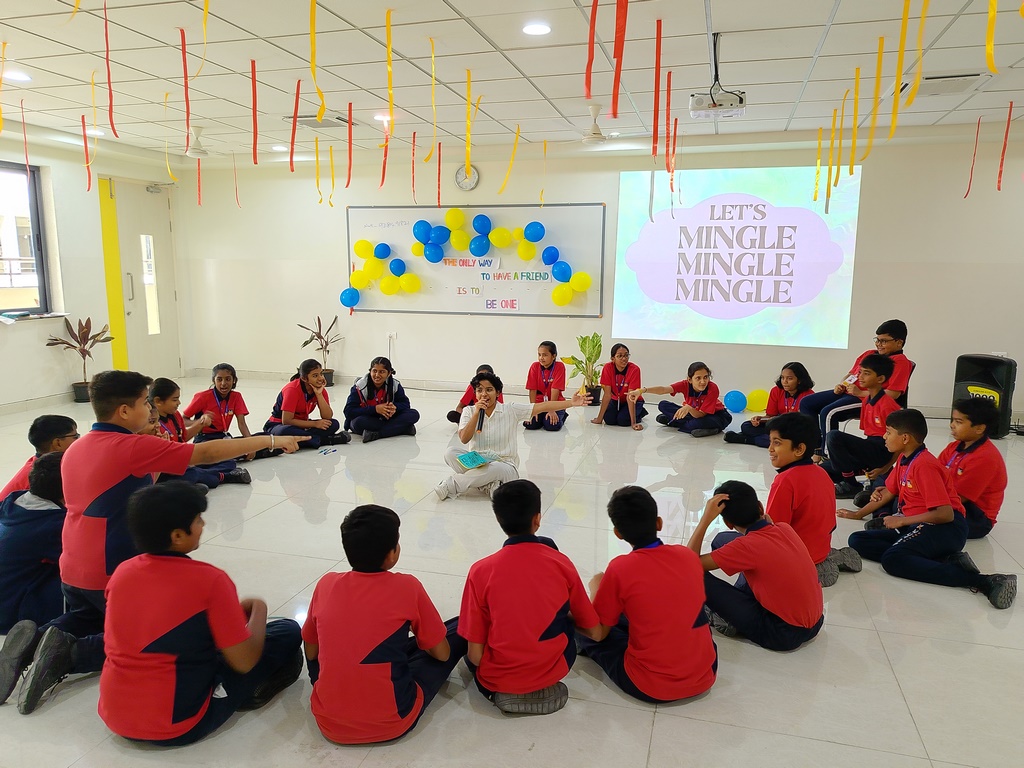
Our well-being counsellors conduct age-appropriate sessions that help students understand their emotional changes, navigate peer dynamics, and build a positive self-image. To strengthen this support system, we encourage 1-on-1 parent sessions with the counsellors, ensuring that families are part of the journey.
By working closely with both students and parents, through our Parent Connect programme we aim to create a safe, nurturing environment where students can confidently move from dependency to discovery—ready to learn, grow, and thrive.