Whether you’re considering studying abroad or simply curious about countries beyond your borders, Germany is a name you’ll hear often; and for good reason. It is a country rich in culture, innovation, and academic opportunities, this European nation offers much to explore.
Location & Geography
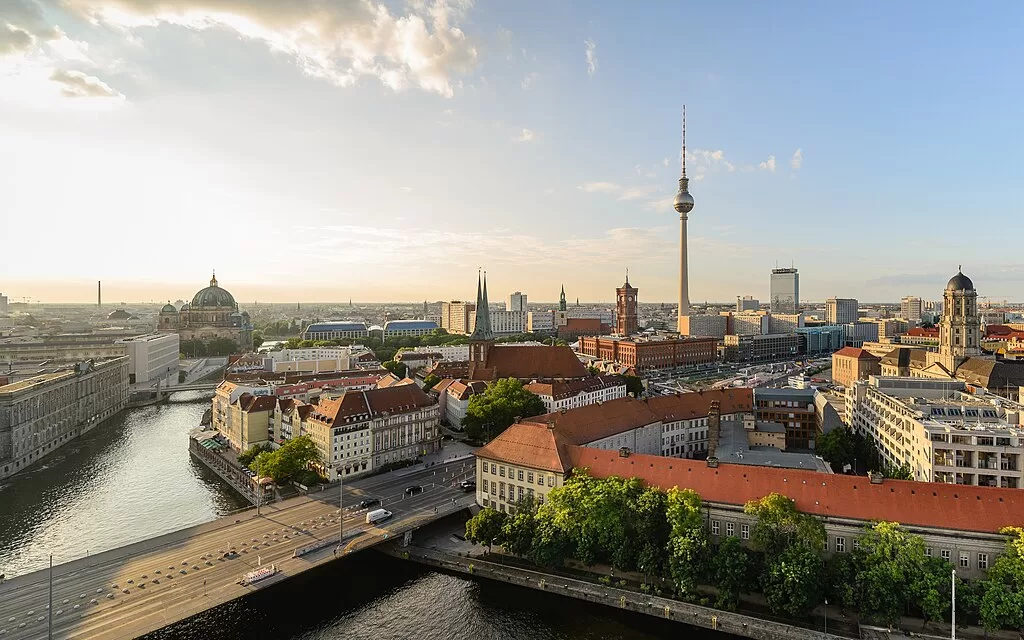
Germany (Deutschland), is the sixth-largest country in Europe by land area (349,520 sq. km), and lies in central Europe with access to the North and Baltic Seas. It shares borders with nine European countries, making it a central hub for travel and cultural exchange. The geography transitions from lowlands in the north to uplands in the centre and the majestic Bavarian Alps in the south. The capital city, Berlin, is located in the northeast.
Climate
Germany has a temperate climate, leaning towards marine in the northern regions. Winters tend to be cool, cloudy, and wet, while summers are generally warm. Regional variations are common. Occasionally, the Föhn — a warm alpine wind — brings a sudden rise in temperature, particularly in the south.

Population
Germany has a population of over 83 million, making it the second-most populated country in Europe. The country became a united and sovereign state again in 1990 after a long historical divide. Urban areas are densely populated, while rural regions are more spread out. The median age is 46 years. German is the primary language spoken by over 95% of the population. Other languages include Serbian, North Frisian, Danish, Romani, Kurdish, and Turkish.
Society and Culture
Germany offers a dynamic mix of tradition and modernity. From classical music and museums to avant-garde art and cuisine, cultural diversity is a hallmark. Visitors and residents alike enjoy access to riverbanks and public gardens, which are common across cities and towns. Football holds a special place in German hearts, but walking and cycling are equally popular. With an excellent train network known for its speed and reliability, getting around is both convenient and efficient.
Economy
As a member of the European Union, Germany holds the largest economy in Europe and ranks fourth globally, following the U.S., China, and Japan. It is the world’s second-largest exporter and excels in sectors such as iron, steel, coal, cement, chemicals, machinery, electronics, vehicles, and shipbuilding. Germany also leads in wind turbines and solar power technology.
Several major international trade fairs are hosted annually in cities like Hanover, Frankfurt, and Berlin. The official currency is the Euro (€).
Government
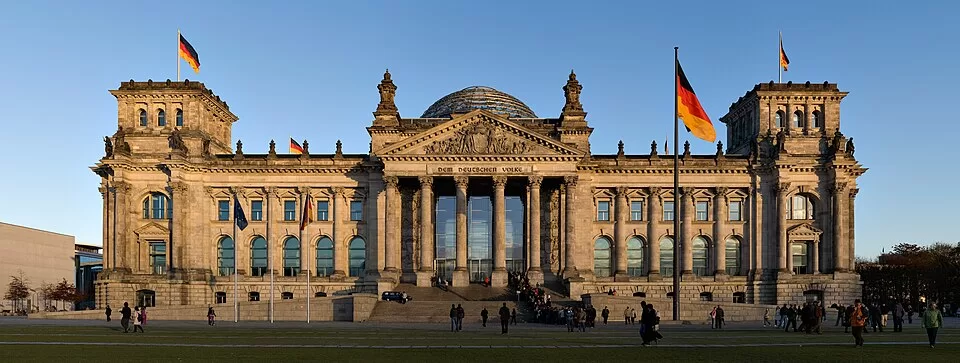
Germany’s political system is a federal republic, with a central government and 16 individual states. While most governance is centralised, states are responsible for education, internal security, and local self-governance. The country’s present system is based on the West German Basic Law, established during reunification in 1990. The Federal Constitutional Court has the authority to repeal laws that conflict with this constitution.
Living Conditions & Cost of Living
For international students, the average cost of living in Germany is between €750–€950 per month. Public universities typically do not charge tuition fees, although specific states may have differing policies. Private universities, on the other hand, can cost around €20,000 annually. Health insurance is another essential expense, usually costing €50–€60 per month.
Education System
Germany’s education structure is aligned with many Western countries, comprising elementary, secondary, and tertiary (higher) education. The differences lie mainly in the variety of institutions offering higher education.
Here’s a quick overview:
- Traditional universities (Universitäten)
- Technical universities (Technische Hochschulen/Technische Universitäten)
- Education colleges (Pädagogische Hochschulen)
- Colleges of art and music (Kunsthochschulen, Musikhochschulen)
- Universities of Applied Sciences (Fachhochschulen)
- Administrative Sciences Universities (Verwaltungsfachhochschulen)
- Professional academies for vocational training (Berufsakademien)
Most of these are publicly funded, and over 90% of students opt for public education.
For International Students
Germany is one of the most attractive destinations for international education, with nearly 325,000 international students currently enrolled in its institutions.
For higher education admission, German language proficiency (DSH – DSH-Prüfung) is often required. However, the level of proficiency needed may vary depending on the course and language of instruction. Most institutions offer German language courses as part of their programs.
Non-EU students must apply for a student visa before arriving. Visa processing can take several months, so planning ahead is crucial. Those who wish to work while studying should also check for applicable work permit regulations.
For detailed information on visa and insurance requirements, visit:
👉 study-in.de Visa Information
International students are allowed to work part-time. Many employers prefer student workers due to lower social security costs. Learn more here:
👉 Part-Time Jobs for Students
Useful Links