Author: Ms Sridevi, EY Facilitator
In today’s hyper-connected world, it’s common to see students juggling multiple tabs, chatting in group messages, watching videos, and even listening to music—all while working on a school project. At first glance, this might appear chaotic or unfocused. But is it really?
At Meru International School, we believe it’s time to re-examine how we understand focus and learning in the digital age.
A New Kind of Focus
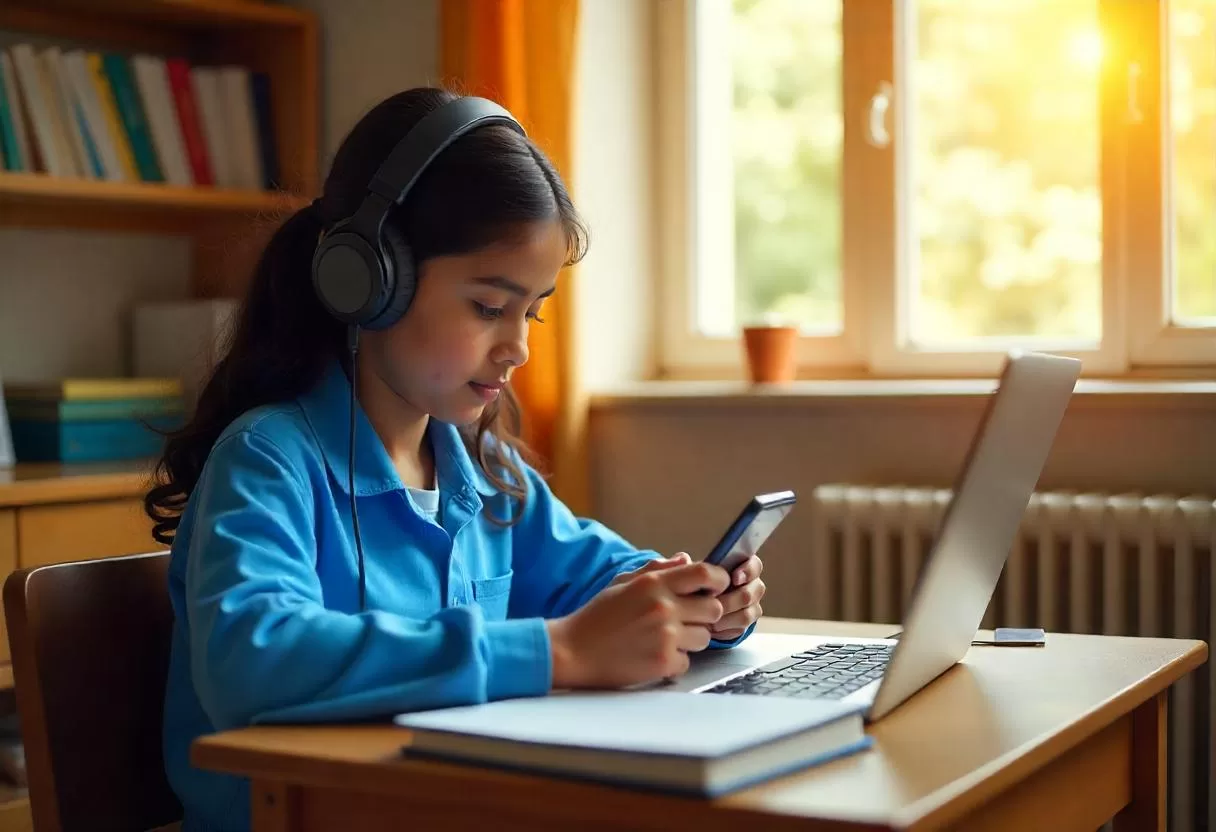
One personal experience brought this into sharp perspective. While observing a seventh-grade student working on a group presentation, I noticed a flurry of digital activity: research tabs, collaborative messaging, presentation slides in progress, and background music. What initially seemed like digital overload slowly revealed itself as something else—coordinated multitasking. He wasn’t distracted. He was managing information, collaborating with peers, and constructing knowledge—just not in the traditional, linear way we might expect.
This observation highlighted a key insight: today’s learners engage with information differently, and our understanding of focus must evolve accordingly.
Rethinking Attention
There is a common perception that students today struggle with focus. But perhaps it’s not a matter of limited attention spans—it’s a different kind of attention altogether. Students are growing up in a world of rapid input and constant connection. They switch tasks quickly, process information rapidly, and operate in layered modes.
Instead of trying to slow them down, the challenge before educators is to help them go deeper. To guide them from fast consumption to meaningful engagement—from screens to skills.

Guiding Through the Digital Landscape
Access to information is no longer the issue. Understanding, filtering, and critically engaging with that information is where the real learning begins. Students are often overwhelmed by a constant stream of content, opinions, and distractions. What they need is not less technology, but more guidance on how to use it intentionally.
At Meru, we see technology not as a distraction but as a tool to be harnessed. When used purposefully, digital platforms can become powerful vehicles for creativity, collaboration, and inquiry.
From Tools to Thinking
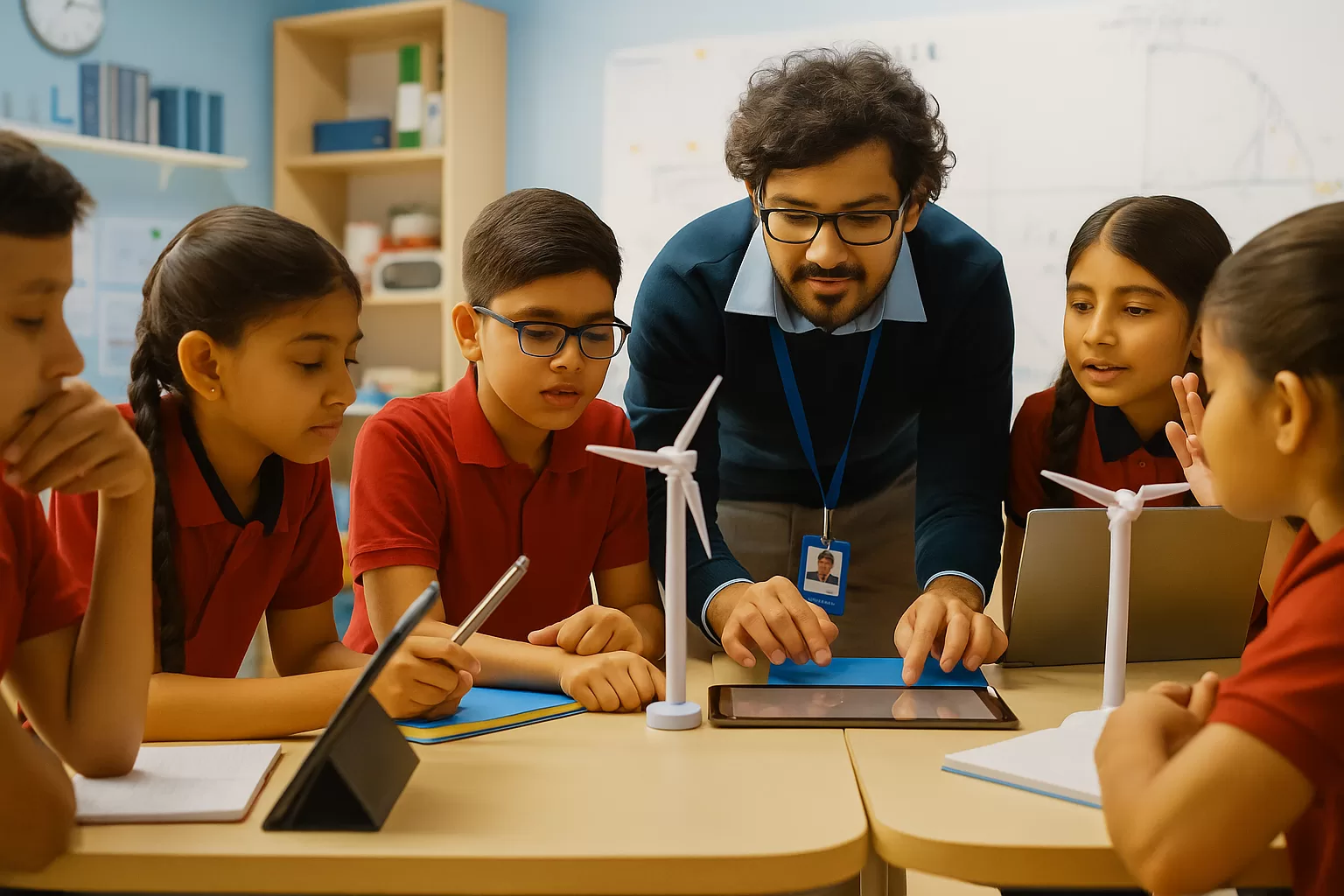
Our goal as educators is not to compete with screens, but to help students transform them into instruments of learning. This begins by shifting our role from knowledge providers to learning facilitators.
Today’s students need educators who:
- Help them ask better questions
- Model critical thinking and digital discernment
- Teach them to slow down, reflect, and reason
- Encourage independent inquiry and purposeful use of tools
Classrooms as Hubs of Exploration
What if the classroom were more than a place to receive information? What if it became a launchpad for innovation?
At Meru, we imagine learning spaces that function as:
- Start-up labs for ideas
- Podcast studios for student voices
- Newsrooms for real-world inquiry
- Research hubs for curiosity-driven exploration
We encourage students to engage actively—experiment, express, revise, and reflect. Because when learning feels authentic, it becomes lasting.
Building Cognitive Endurance
Instead of stretching attention spans through passive listening, we nurture cognitive stamina by feeding curiosity. Students don’t need more directives to “sit still.” They need more invitations to stand up, speak out, and explore their ideas.
Preparing Thoughtful Learners
As educators, our responsibility extends beyond content delivery. We are preparing young people for a world shaped by climate change, innovation, and complex global challenges. The leaders of tomorrow will not be those who simply consume information, but those who can think critically, communicate clearly, and act with purpose.
We aim to help students become:
- Not just quick, but thoughtful
- Not just tech-savvy, but discerning
- Not just informed—but empowered
From Screens to Skills
Education today must move beyond information-sharing and into meaning-making. It is no longer enough for students to scroll, swipe, and skim. They must learn to pause, reflect, and create.
Let us shift the narrative:
- From short clips to sharp minds
- From distraction to deep thinking
- From passive consumption to active contribution
By meeting students where they are and guiding them forward with intention, we help them transform not just how they learn, but how they live.