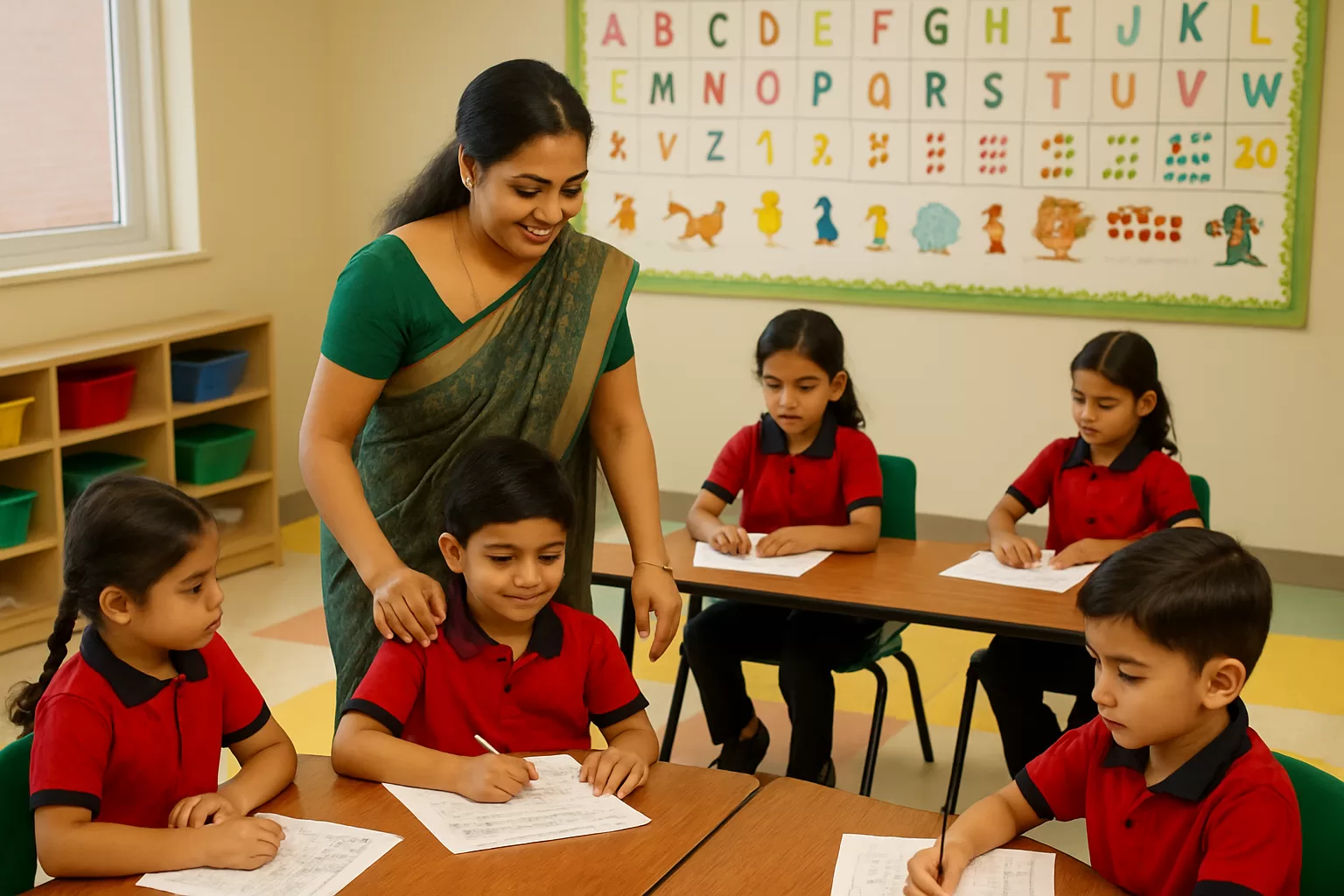
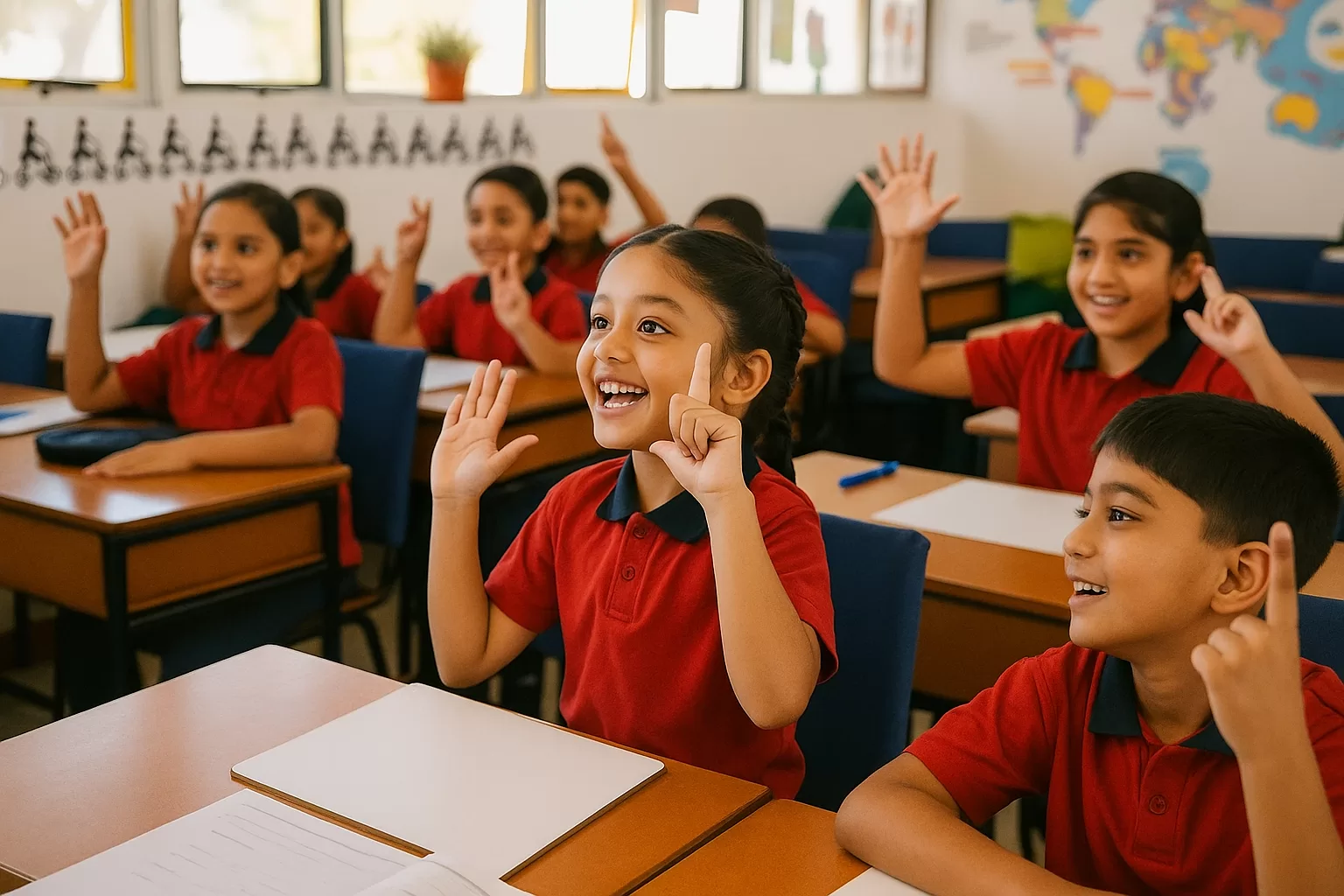
Author: Ms Sanjana, Grade 3 facilitator
“A good teacher can inspire hope, ignite the imagination, and instill a love of learning.”
— Brad Henry
Teaching is not only about academic instruction. In an age where knowledge is available at the tap of a finger, teaching has taken on a new dimension. Today’s learners grow up amidst a flood of information, algorithms, and AI-driven interactions. As educational tools evolve — from interactive apps to hyper personalised AI companions — the question arises: What sets great teaching apart?
The answer is clear. We teach not just to inform, but to connect.
At Meru International School, we believe that teaching is no longer just about content delivery — it is about building human connection. As educators, our role is not only to instruct but to engage, inspire, and care.
Rethinking the Classroom: From Delivery to Dialogue
Modern education requires more than subject mastery. It calls for emotional engagement, attuned listening, and presence. Our classrooms are no longer “chalk-and-talk” spaces; they are living ecosystems of inquiry, empathy, and belonging.
A student may forget the steps of a math problem or the finer points of punctuation, but they will remember the teacher who went the extra mile; who made them feel important and cared for. The one who noticed their silence. The one who made them laugh. The one who said, “I believe in you.”
These are the moments that anchor learning in memory. They don’t show up in tests, but they shape who children become.
At Meru, we integrate practices that make these connections intentional. For example, through our “Reflective Circle Time” sessions in the primary years, students are encouraged to express their feelings, identify challenges, and support one another. Teachers listen closely — not just to answers, but to silences. These are moments where real learning begins.
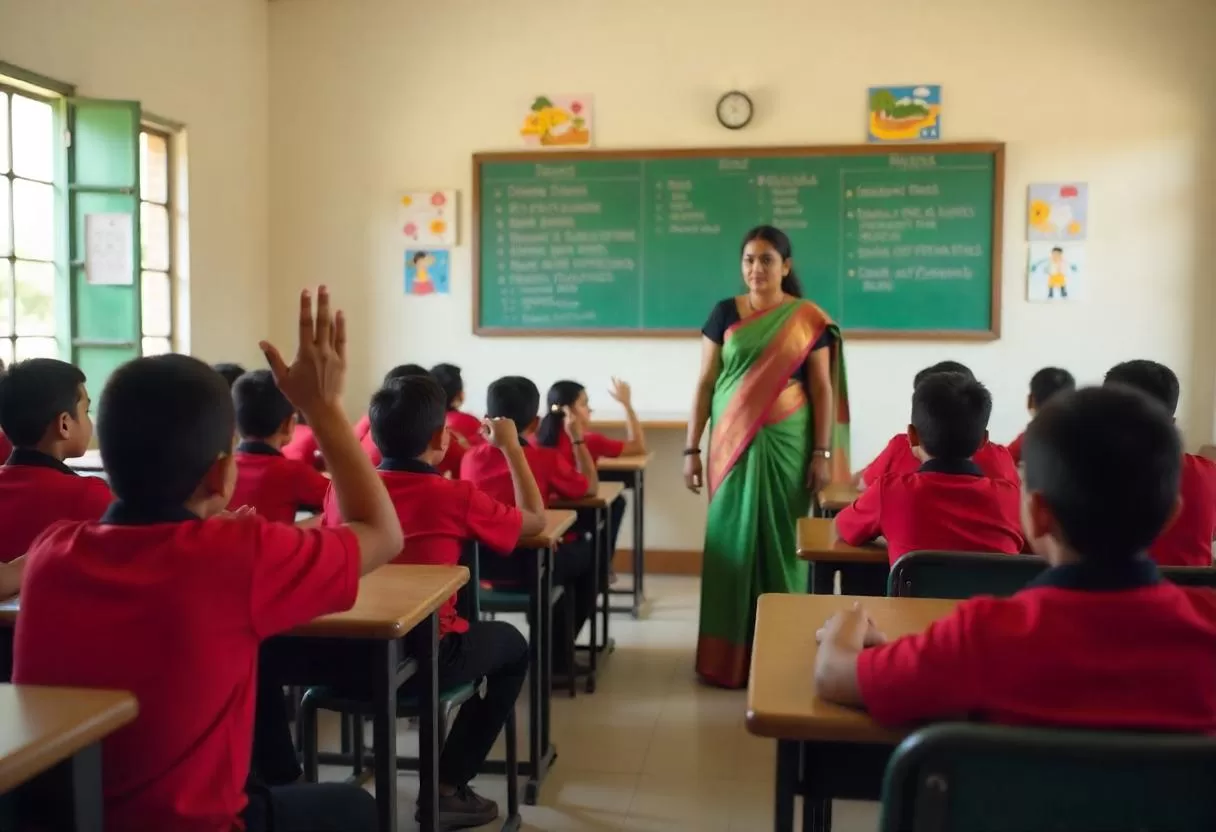
Bridge Builders, Not Just Educators
At Meru International School, teachers are not just educators — they are bridge builders. We help students cross from confusion to clarity, from self-doubt to self-belief, from isolation to belonging. This, more than any textbook, is the real curriculum: connection.
There was a moment once, after class, when a student said, “Ma’am, I laughed out loud remembering your silly jokes from English.” The teacher’s first instinct? Wait — what about the actual lesson?! The student grinned and added, “I remember that too. You cracked jokes as silly as a joker while teaching similes.” And that’s when it clicked. It wasn’t just the joke — it was the joy in the learning. That’s how content sticks: wrapped in connection.

So, Why Do We Teach?
We teach because knowledge matters — but connection endures.
We teach because the most powerful lessons are not always in the textbooks, but in the conversations after class, the shared laughter in a science lab, or the reassurance offered before a test.
At Meru International School, we prepare children not only for academic success but for life — to be compassionate, curious, and connected individuals. We believe the strength of our curriculum lies not only in its content but in its delivery — human, present, and purposeful.