Location & Accessibility
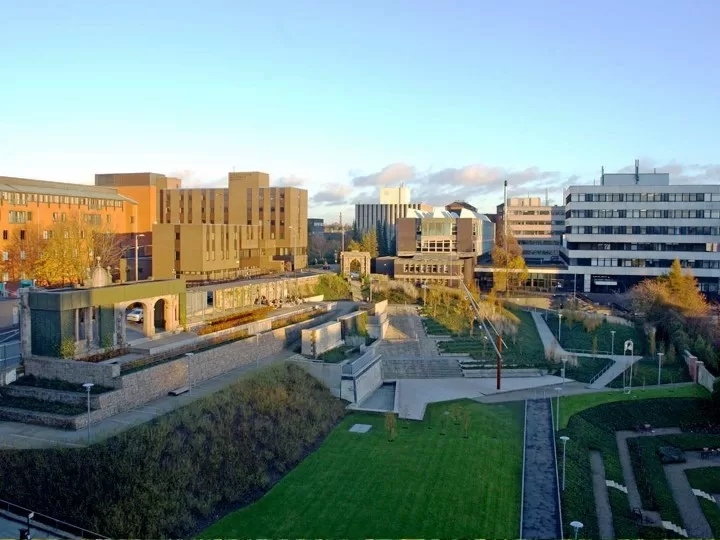
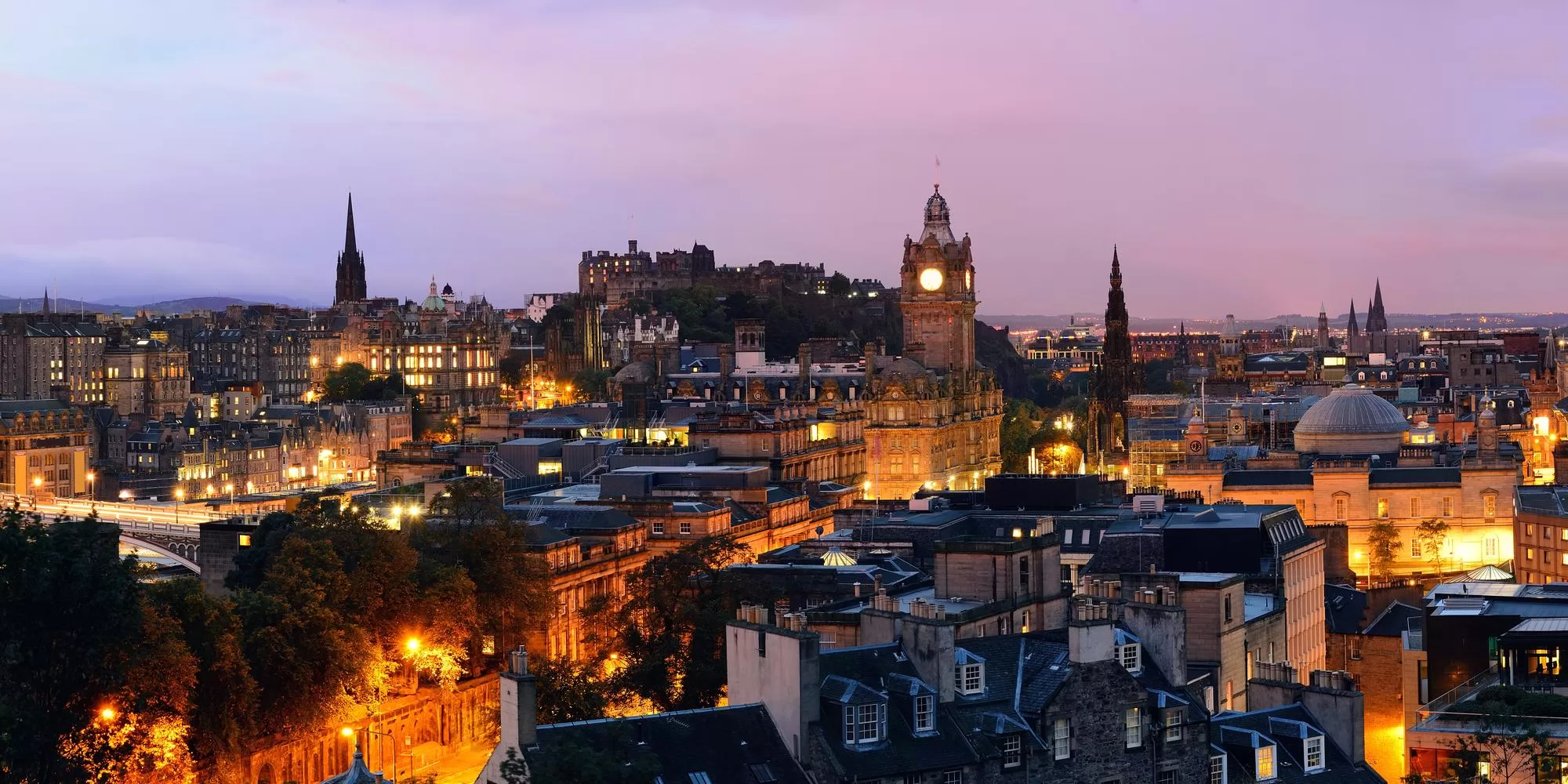
Scotland occupies the northern third of the United Kingdom, sharing a border with England and surrounded by the North Sea, Atlantic Ocean, and Irish Sea. Major international airports in Edinburgh, Glasgow, and Aberdeen link Scotland to Europe, North America, and beyond. Frequent rail and bus services make travel across Scotland—and the rest of the UK—straightforward and efficient.
Diverse Geography & Lifestyle
Scotland’s landscape divides into three distinct regions:
- The Highlands: Towering mountains, serene lochs, and rolling glens ideal for outdoor adventures and reflective study retreats.
- The Lowlands: Home to vibrant cities—Edinburgh, Glasgow, Dundee, Stirling—offering bustling student life, cultural events, and economic opportunity.
- The Islands: The Hebrides, Orkney, and Shetland archipelagos provide peaceful, scenic settings for focused study and creative inspiration.
Academic & Cultural Balance
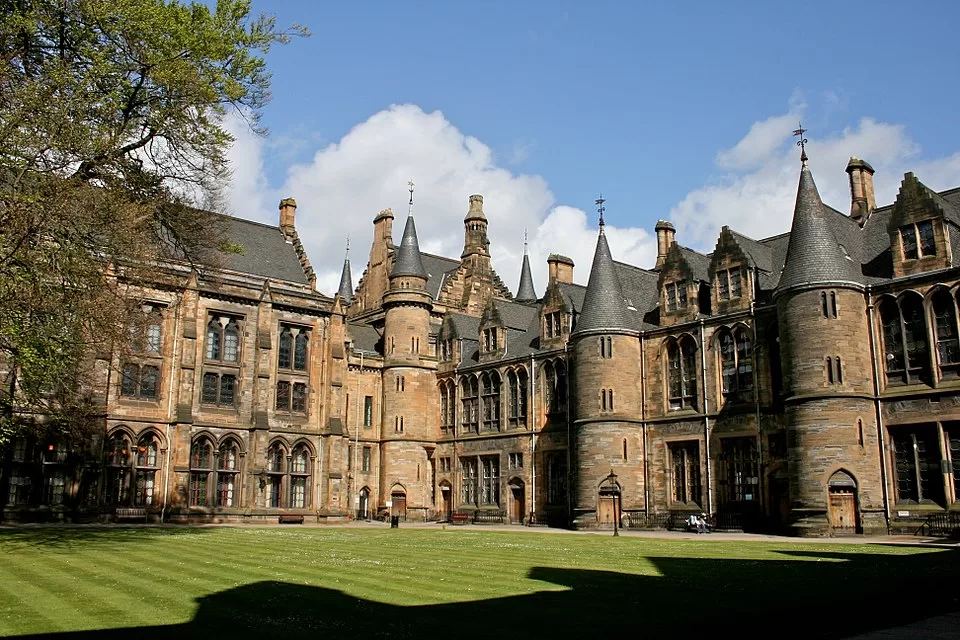
Scotland’s universities and research institutions rank among the world’s best. Historic campuses sit alongside cutting‑edge facilities, all supported by a rich tapestry of music, art, and architecture. Students enjoy a balanced experience that blends rigorous academics with immersive cultural activities—from castle tours to Fringe Festival performances.
Climate & Natural Environment
Scotland’s temperate maritime climate features cool winters (0–7 °C) and mild summers (15–20 °C). Spring and autumn bring vivid natural colours, while frequent light rain nourishes lush greenery and clean air. Long summer days, with up to 17 hours of daylight, allow ample time for outdoor pursuits, sightseeing, and social events after lectures.

Quality of Life
Scotland is renowned for safe, welcoming communities and a high standard of living. Whether you prefer city apartments in Edinburgh or rural cottages in the Highlands, housing options suit varied budgets. Efficient public transport in urban areas and scenic rural roads ensure easy access to nature, heritage sites, and modern amenities alike.
Scotland’s Economy: Key Sectors
Scotland boasts a diverse economy with strengths in:
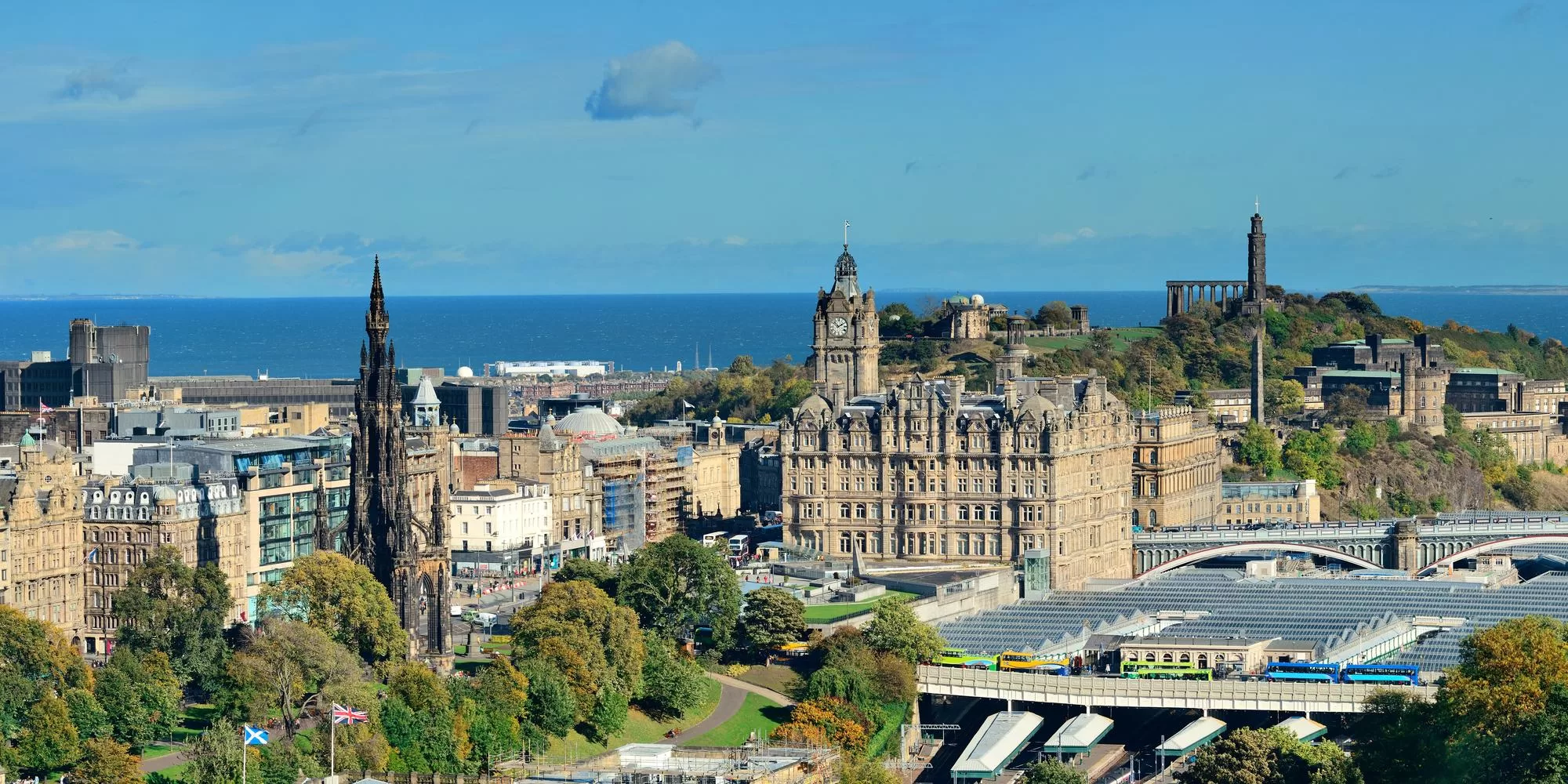
- Financial Services: Edinburgh ranks as Europe’s leading financial centre outside London.
- Energy: From North Sea oil and gas to world‑class offshore wind, tidal, and hydroelectric power.
- Tourism: Iconic landmarks (Edinburgh Castle, Highland scenery) and festivals (Edinburgh Fringe) drive visitor numbers.
- Education: Prestigious universities attract over 325,000 international students, generating research and innovation.
- Food & Drink: Exports of salmon, beef, and whisky underpin a globally recognised brand.
- Technology & Life Sciences: Growing hubs in AI, fintech, pharmaceuticals, and biotech research.
Employment Landscape
Scotland’s overall employment rate is robust, with higher average earnings in finance and tech and lower wages in hospitality and agriculture. A pronounced skills gap in STEM and digital industries presents opportunities for qualified graduates. Public sector roles in healthcare, education, and local government also account for a significant share of jobs.
Government Support & Investment
The Scottish Government, through agencies like Scottish Enterprise and Highlands and Islands Enterprise, champions business growth and innovation. Skills Development Scotland offers apprenticeships and career services, while targeted infrastructure investments enhance green energy projects, broadband access, and transport links—particularly in rural areas.
Living Costs & Student Budgets
The Scottish Government, through agencies like Scottish Enterprise and Highlands and Islands Enterprise, champions business growth and innovation. Skills Development Scotland offers apprenticeships and career services, while targeted infrastructure investments enhance green energy projects, broadband access, and transport links—particularly in rural areas.
Compared to southern UK, Scotland offers a relatively lower cost of living. Typical monthly expenses include:
- Rent: ~£1,000 for a one‑bedroom flat in Edinburgh; from £700 in other cities.
- Utilities: £150–£300 for electricity, gas, water, and waste.
- Food: ~£15–£20 per meal out.
- Transport: Monthly passes cost £50–£70, with student discounts available.
Application Process & Academic Requirements
Undergraduate applications are submitted via UCAS, where you may select up to five courses. Required materials include transcripts, personal statements, and written references. Most courses demand 12 years of prior schooling (equivalent to A‑levels) and proof of English proficiency—commonly an IELTS score of 6.5 overall (6.0 per band).
Visa & Financial Documentation
Non‑EU students must obtain a Student visa and demonstrate sufficient funds for tuition and living costs. Processing times vary, so early application is essential. Universities may issue a Confirmation of Acceptance for Studies (CAS), which supports visa applications.
Scholarships & Funding
Numerous scholarships offset study expenses, including:
- Saltire Scholarships: Funded by the Scottish Government for postgraduate STEM and renewable energy students from select countries.
- Chevening Scholarships: UK government–backed awards for master’s degrees.
- Commonwealth Scholarship & Fellowship Plan: Open to Commonwealth nationals for various degree levels.
- University‑Specific Awards: Many institutions offer tuition and living‑cost grants—check individual university websites for details.